Mobility as a Service (MaaS): How Apps Will Revolutionize City Transport
Szymon Wnuk
Dec 18, 2025

1. What is Mobility as a Service (MaaS)?
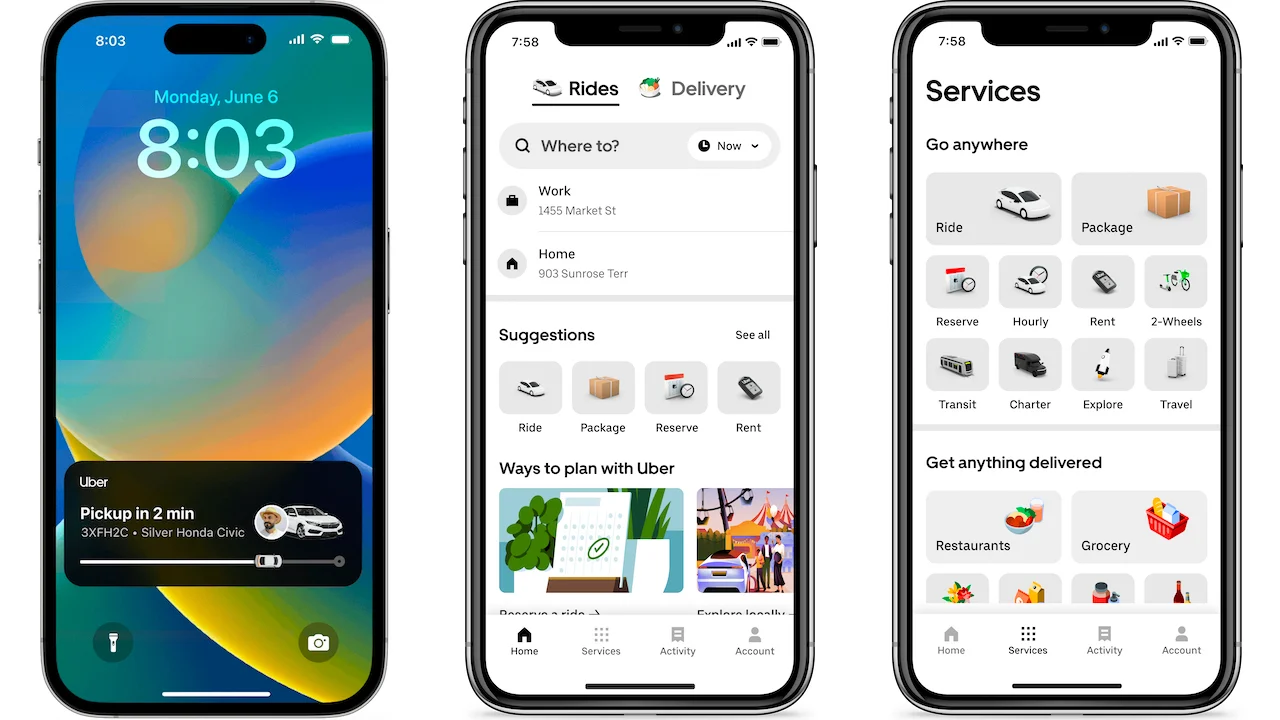
Mobility as a Service (MaaS) is an innovative concept that combines various forms of urban transport services into a single digital platform. This approach allows users to plan, book, and pay for diverse mobility options such as buses, subways, taxis, bike sharing, and car rentals—all within one app. By leveraging technology, MaaS aims to simplify city transport and reduce reliance on private vehicles.
2. Benefits of MaaS for Urban Transportation
The rise of MaaS apps delivers numerous advantages. Firstly, they enhance convenience by providing real-time data and integrated payment options. Secondly, they promote sustainability by encouraging public transit and shared mobility, which helps lower emissions and traffic congestion. Additionally, MaaS increases accessibility by tailoring transport options to individual needs, which is especially beneficial for people without private vehicles.
3. How to Get Started with MaaS
Getting started with MaaS is straightforward: users typically download a MaaS app designed for their city, create an account, and input preferences like preferred transportation modes or payment methods. The app then offers multi-modal route options, allowing the user to choose the most efficient or cost-effective journey. For city planners and transport providers, collaboration and data sharing are essential to implement and maintain MaaS platforms effectively.
4. Practical Applications of MaaS Technology
MaaS apps are already making impacts in cities worldwide. For example, Helsinki’s Whim app integrates public transit, taxis, rental cars, and bikes into one subscription service. Similarly, in Singapore, MaaS platforms are helping reduce private car ownership by offering flexible, on-demand transport. These practical applications showcase how MaaS can improve user experience, reduce urban congestion, and support a greener future.
5. Common Challenges in Adopting MaaS
While MaaS offers promising solutions, adoption faces challenges such as data privacy concerns, interoperability issues among different transit systems, and regulatory hurdles. Additionally, ensuring equitable access across all social groups and managing the financial sustainability of integrated platforms can be complex. Overcoming these challenges requires cooperation among governments, technology providers, and transport operators.
6. Best Practices for Maximizing MaaS Potential
To fully benefit from MaaS, cities should prioritize open data policies, foster partnerships across sectors, and invest in user-friendly technology. It’s also critical to educate the public on MaaS benefits and ensure inclusivity for diverse populations. Continuous feedback loops and agile development can help tailor services dynamically to evolving urban mobility needs.
7. Conclusion: The Future of City Transport with MaaS
Mobility as a Service represents a paradigm shift in how people navigate cities. By uniting various transport options in one app, MaaS increases convenience, promotes sustainability, and enhances social equity. As technology advances and cities collaborate more closely, MaaS could become the foundation of efficient, user-centric urban mobility worldwide.
FAQ
What types of transportation are included in MaaS?
MaaS typically integrates public transit, ride-sharing, bike-sharing, car rentals, taxis, and sometimes even walking routes.
Is MaaS available in all cities?
MaaS is expanding globally but is currently more prevalent in larger metropolitan areas with integrated transit systems.
You might also like
Minimalism in UI – Is Simplicity the Key to Success for Mobile Applications?
Minimalist design is more than just aesthetics; it’s a way to enhance usability and efficiency in mobile apps. In an age of information overload, users increasingly value clarity and simplicity. Is minimalism the future of UX? What are the key principles for designing simple yet functional interfaces?
AI in Marketing 2025 – How to Automate Campaigns Without Losing Authenticity
As we head into 2025, AI is no longer just a trend in marketing — it’s the backbone of modern campaigns. From generating headlines to hyper-personalizing user journeys, AI marketing tools have redefined what's possible. But here’s the challenge: How do you automate at scale without losing the human touch? This article explores how to use AI copywriting and personalization to build authentic, high-impact campaigns in the age of automation.

The Future of On-Demand Services: What Mobile Apps Will Look Like in 2026
Explore the evolving landscape of on-demand services and discover how mobile apps will transform by 2026 with advanced technology, personalized experiences, and seamless connectivity.

Leave your email address and we will send you a free guide: 5 reasons why your website isn't selling.