The Future of On-Demand Services: What Mobile Apps Will Look Like in 2026
Szymon Wnuk
Dec 6, 2025
1. The Evolution of On-Demand Services
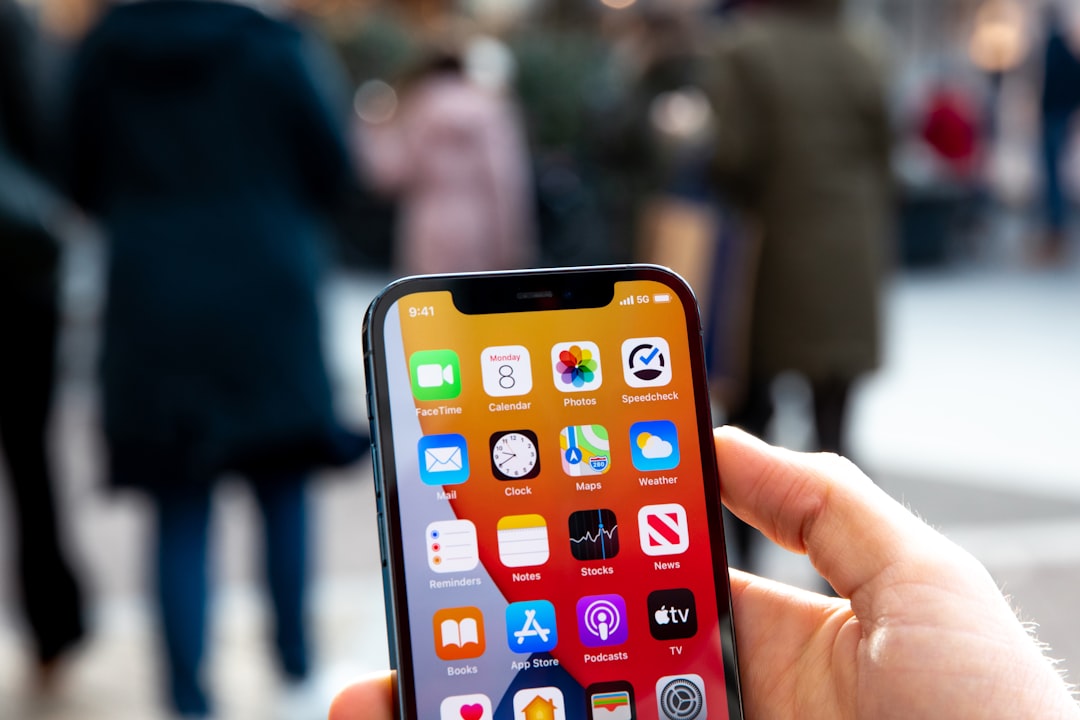
The on-demand service industry has grown exponentially in recent years, propelled by mobile apps that allow users to access goods and services instantly. From food delivery and ride-sharing to healthcare and home services, these apps have revolutionized convenience. By 2026, this evolution will accelerate as technology integrates deeper into our daily lives, reshaping the mobile app ecosystem.
2. Enhanced Personalization Through AI and Machine Learning
One of the most significant advancements in on-demand apps will be their ability to offer highly personalized experiences powered by artificial intelligence (AI) and machine learning. These technologies will analyze user behavior, preferences, and real-time data to provide tailored recommendations and optimize service delivery, making interactions smoother and more intuitive.
3. The Rise of Augmented Reality (AR) and Virtual Reality (VR) Integration
By 2026, AR and VR will play a vital role in enhancing user experience in on-demand apps. Whether it’s visualizing products before purchase, previewing home maintenance solutions, or navigating virtual waiting rooms for telehealth services, these immersive technologies will bring a new level of engagement and convenience.
4. Seamless Multi-Service Ecosystems
Instead of standalone apps, future on-demand platforms will function as multi-service ecosystems, allowing users to access several related services within a single app. This consolidation will reduce friction, save time, and create holistic experiences that cater to diverse user needs across sectors such as transportation, wellness, shopping, and entertainment.
5. Increased Focus on Sustainability and Ethical Practices
Consumers are becoming more conscious of sustainability and ethical issues. On-demand apps in 2026 will increasingly incorporate eco-friendly practices, such as optimizing delivery routes to reduce emissions and partnering with sustainable vendors. Transparency and responsible operations will become key differentiators in user choice.
6. Improved Real-Time Connectivity and 5G Adoption
With the widespread adoption of 5G technology, on-demand apps will offer faster data transmission, lower latency, and enhanced connectivity. This will enable more reliable real-time communication between service providers and users, improving tracking, instant updates, and remote collaborations in fields like healthcare and technical support.
7. The Role of Blockchain for Security and Transparency
Blockchain technology will gain prominence in on-demand services for securing transactions, ensuring data privacy, and enhancing transparency. Users will benefit from immutable records of service history and payments, increased trust, and reduced fraud risk, which is essential as digital economies expand.
8. Conclusion: The Future is Smart, Integrated, and User-Centric
Looking ahead to 2026, on-demand mobile apps will evolve into smart, integrated platforms that prioritize user convenience, security, and sustainability. By embracing emerging technologies like AI, AR/VR, 5G, and blockchain, these apps will redefine convenience and transform how we access everyday services.
FAQ
How will AI improve on-demand services by 2026?
AI will provide personalized recommendations and optimize service delivery based on user data and preferences.
What role will 5G play in future mobile apps?
5G will enable faster, more reliable connectivity, improving real-time communication and overall app performance.
You might also like
Mobile App Design Trends 2025 – What Really Makes a Difference for the User?
Minimalism is no longer enough. In 2025, users expect mobile apps to be not just aesthetic but also intuitive, responsive, and “alive.” Which mobile UI/UX trends actually improve user experience? Here’s what to implement—and what to leave behind in 2024.

Mobile-First or AI-First? What Will Be More Important in 2025?
As we step into 2025, product strategy is at a crossroads: should we design for mobile-first, or embrace an AI-first approach? This article explores the shift in priorities, how each strategy shapes user experience, and which direction offers more value in the evolving tech landscape.

Mobile UX in 2025 – What’s Changing and How to Design Ahead?
Discover the key UX trends shaping mobile design in 2025 – from AI-powered personalization to spatial interfaces. Learn how to stay ahead and build experiences that users love. Mobile UX is entering a new era. With rapid advancements in AI, spatial computing, and user behavior, the way we design mobile experiences in 2025 is changing — fast. If you want your app to remain relevant and delightful, now is the time to rethink your approach.

Leave your email address and we will send you a free guide: 5 reasons why your website isn't selling.