
Vision Pro Interfaces Controlled by Voice, Context, and AI: Revolutionizing User Experience
Szymon Wnuk
May 16, 2026
1. What Are Vision Pro Interfaces Controlled by Voice, Context, and AI?
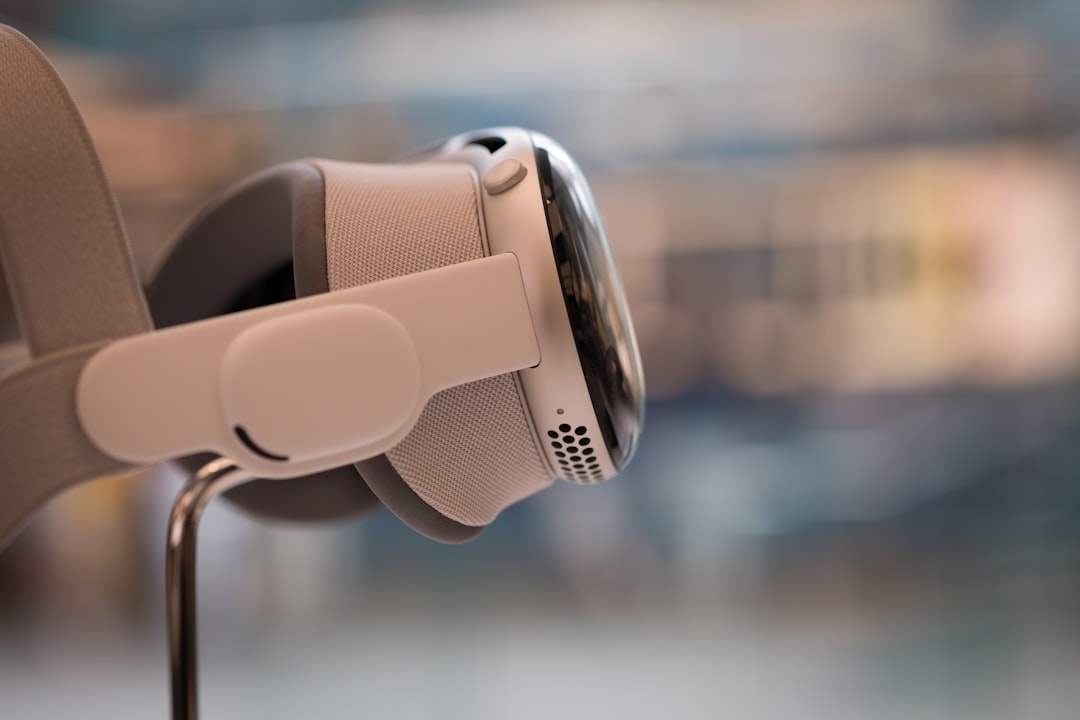
Vision Pro interfaces represent the forefront of user interaction technology, combining voice commands, contextual understanding, and artificial intelligence to enable hands-free, adaptive control. This integration allows devices to interpret not only spoken instructions but also understand the surrounding environment and user intent, creating a more natural and efficient experience.
2. Advantages of Using Voice, Context, and AI in Vision Pro Interfaces
The primary advantages of these interfaces include enhanced accessibility, improved user engagement, and greater efficiency. Voice control offers a hands-free way to interact with devices, while contextual awareness allows the system to adapt responses based on the current environment or user activity. AI adds predictive capabilities, learning user preferences and optimizing commands to suit individual needs.
3. How to Start Using Vision Pro Interfaces with Voice, Context, and AI
Getting started involves selecting compatible Vision Pro devices equipped with advanced sensors and AI engines. Users should ensure proper configuration of voice recognition settings and permissions for contextual data access. Additionally, training the AI by using voice commands and interacting naturally helps improve the system’s responsiveness and personalization.
4. Practical Applications of Vision Pro Interfaces
These interfaces find practical applications across industries such as healthcare, where hands-free operation is crucial, in smart homes for managing connected devices, and in automotive settings to promote safer driving. Furthermore, they enhance accessibility for users with disabilities and provide immersive experiences in augmented and virtual reality environments.
5. Common Challenges Encountered
Despite their advantages, Vision Pro interfaces face challenges such as background noise interfering with voice recognition, privacy concerns regarding contextual data collection, and occasional misinterpretation of commands. Overcoming these issues requires continual AI learning, robust security measures, and user awareness on privacy settings.
6. Best Practices for Maximizing Vision Pro Interfaces
To maximize benefits, users should maintain clear and consistent voice commands, regularly update software to incorporate the latest AI improvements, and customize settings to optimize contextual awareness without compromising privacy. Developers, on their part, should focus on refining AI algorithms and ensuring seamless integration across different devices.
7. Conclusion: The Future of Vision Pro Interfaces
Vision Pro interfaces controlled by voice, context, and AI represent a significant leap toward more intuitive and personalized technology interaction. As these systems evolve, they promise to reshape how we work, communicate, and interact with digital environments, making technology more human-centric and accessible.
FAQ
How does AI improve Vision Pro voice interfaces?
AI enables the system to learn user preferences and predict needs, making voice interactions more accurate and personalized.
Are there privacy concerns with contextual data usage?
Yes, contextual data collection raises privacy issues, but proper security measures and user controls can mitigate risks.
You might also like
Voice UI in Mobile Apps – When to Invest and When to Skip It
Voice user interfaces (Voice UI) are gaining traction, especially in the era of voice-first UX. More and more mobile apps are turning to voice as a natural mode of interaction. But is it always a good idea? In this article, we explain when voice makes sense – and when it’s a costly distraction.

Are Buttonless Interfaces the Future? Exploring Natural UI and Voice Control
We’ve been tapping buttons for decades - but that era might be ending. With the rise of Natural User Interfaces (NUIs), especially voice and gesture control, apps are becoming more human, intuitive… and invisible. But is ditching buttons really the future of digital design? In this article, we explore what’s changing, what’s hype, and what it means for developers, users, and businesses.

Vision Pro Interfaces Controlled by Voice, Context, and AI: Revolutionizing User Experience
Discover how Vision Pro interfaces leverage voice control, contextual awareness, and AI to deliver seamless, intuitive interactions. This combination is transforming the way users engage with technology, offering efficiency and personalization like never before.
Leave your email address and we will send you a free guide: 5 reasons why your website isn't selling.