Designing Apps for AI Collaboration, Not Just Human Interaction: Unlocking New Possibilities
Szymon Wnuk
Apr 26, 2026
1. Understanding AI Collaboration in App Design
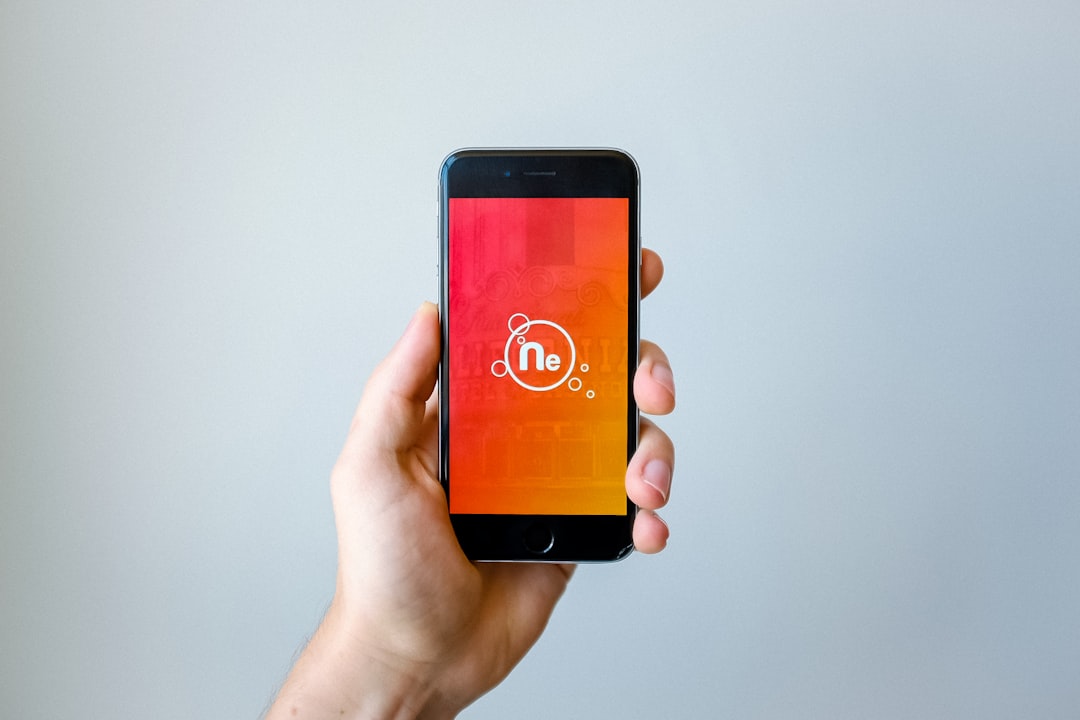
Designing applications for AI collaboration means creating software that not only interacts with users but also works seamlessly with AI systems to enhance functionality. Unlike traditional apps focused solely on human input and output, AI-collaborative apps enable a dynamic partnership where AI can analyze data, make decisions, and assist users proactively.
2. Benefits of Integrating AI Collaboration in Apps
Incorporating AI collaboration improves app performance by automating routine tasks, personalizing experiences, and uncovering insights users might miss. This approach boosts efficiency, reduces errors, and delivers smarter interactions that evolve over time. Businesses gain competitive advantages through faster decision-making and enriched customer engagement.
3. How to Start Designing for AI Collaboration
Begin by identifying aspects of your app that can benefit from AI-driven input or assistance. Focus on data accessibility, openness for AI integration, and clear communication flows between humans and AI agents. Adopt design thinking principles tailored for hybrid workflows to ensure a smooth interaction between all participants.
4. Practical Applications of AI Collaboration in Apps
Examples of AI collaboration include virtual assistants that help schedule meetings by negotiating availability, recommendation engines that adjust content in real-time based on AI predictions, and intelligent automation tools that streamline business processes. These applications demonstrate how AI can act as a valuable teammate rather than just a backend feature.
5. Common Challenges in Designing AI-Collaborative Apps
Challenges include managing user trust in AI decisions, ensuring transparency in AI actions, and maintaining usability when AI behavior is complex or unpredictable. Additionally, developers must handle data privacy concerns and create intuitive interfaces that clearly indicate the AI's role and capabilities within the app.
6. Best Practices for Building AI-Collaborative Applications
Successful AI collaboration requires continuous user feedback loops, explainable AI models, and adaptive design that can evolve as AI capabilities grow. Prioritize ethical AI use, design for error recovery, and provide users with control over AI involvement levels to foster confidence and engagement.
7. Summary: Embracing the Future of AI-Enhanced Apps
Designing apps for AI collaboration transforms how people interact with technology by establishing a true partnership between humans and machines. By focusing on cooperative workflows, transparency, and user empowerment, developers can build applications that unlock new levels of productivity and innovation.
FAQ
What does AI collaboration mean in app design?
It refers to designing apps that work together with AI systems to support, assist, and enhance user tasks.
How can I ensure users trust AI in my app?
By making AI decisions transparent, providing explanations, and giving users control over AI features.
You might also like
AI in Marketing: How to Use Machine Learning for Better Targeting and Conversion
Artificial intelligence is reshaping how brands connect with users. From hyper-personalized content to predictive analytics, machine learning enables marketing strategies that are more precise, adaptive, and effective. In this article, we explore how to harness AI in marketing to improve user engagement, drive conversions, and build smarter, more personal app experiences.

AI-Native Mobile Apps: Why 2026 Is the Year Apps Become Intelligent by Default
Discover why 2026 marks a transformative year for mobile apps as AI-native technology makes intelligent features the new standard, revolutionizing user experiences and app functionalities.
AI in the Daily Workflow of a Software House – 5 Practical Applications That Truly Save Time
From code generation to project management, AI tools are transforming how software houses work. Here are 5 real-world AI use cases that save time, boost productivity, and reduce burnout in development teams. AI isn’t just a buzzword anymore — it's a real productivity booster in software development. Whether you're managing projects, writing code, or testing applications, AI is streamlining workflows like never before. Here are 5 practical AI applications every software house can implement to save hours each week.

Leave your email address and we will send you a free guide: 5 reasons why your website isn't selling.