AI-Native Mobile Apps: Why 2026 Is the Year Apps Become Intelligent by Default
Szymon Wnuk
Apr 14, 2026
1. What Are AI-Native Mobile Apps?
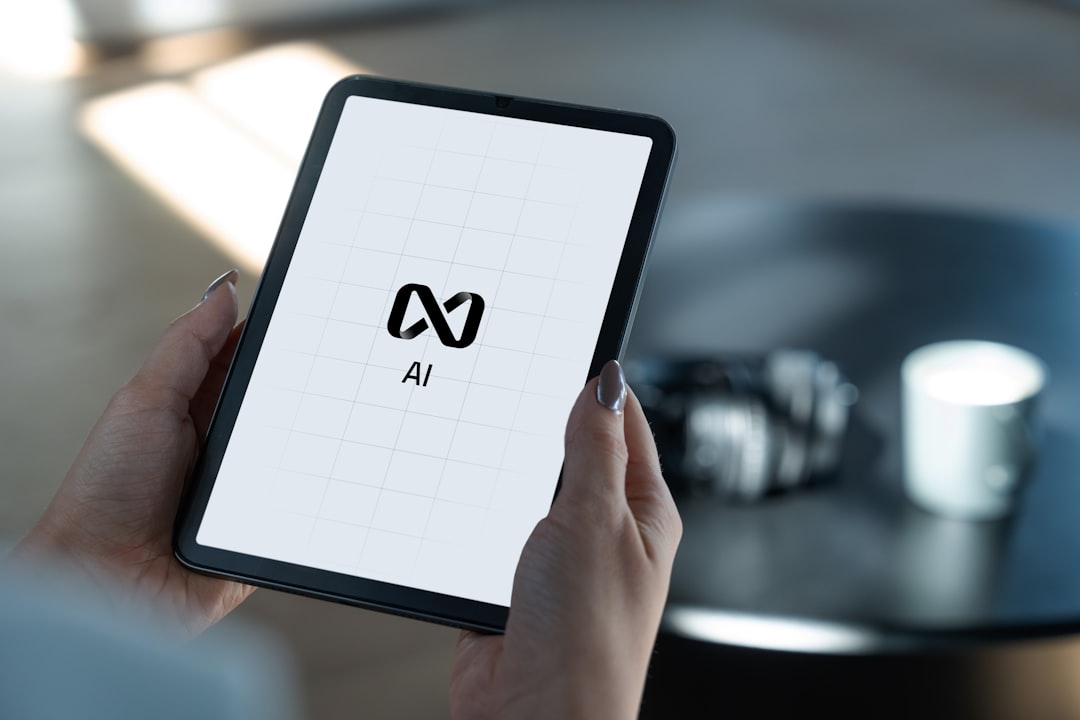
AI-native mobile apps are applications built from the ground up with artificial intelligence integrated into their core architecture. Unlike traditional apps that add AI as an afterthought, AI-native apps inherently use machine learning, natural language processing, and predictive analytics to deliver smarter, more personalized user experiences. This foundational AI enables these apps to continuously learn and adapt to user behavior in real-time.
2. Advantages of AI-Native Apps
The benefits of AI-native apps are numerous. They offer enhanced personalization, improved efficiency, and dynamic adaptability that traditional apps cannot match. By leveraging AI, these apps anticipate user needs, provide proactive recommendations, and reduce manual input. They also automate complex tasks and analyze vast datasets instantly, resulting in seamless and intuitive interactions.
3. How to Start Building AI-Native Mobile Apps
To develop an AI-native app, start by identifying key areas where AI can deliver value, such as personalization or process automation. Select AI platforms and tools that integrate smoothly with your technology stack. Embrace agile development practices to iteratively test AI features, optimize algorithms, and gather user feedback. It is essential to ensure data quality, privacy, and transparency throughout the development process.
4. Practical Applications of AI-Native Apps in 2026
By 2026, AI-native apps will be ubiquitous across industries. From healthcare apps that provide real-time diagnostics and personalized treatment plans, to retail apps offering hyper-targeted shopping experiences. Financial services will use AI-native apps to detect fraud and automate customer support. Even entertainment apps will evolve, curating content dynamically based on mood, preferences, and social trends.
5. Common Challenges in Developing AI-Native Apps
Developing AI-native apps presents challenges like managing vast amounts of data, ensuring algorithm fairness, handling biases, and maintaining user privacy. There is also the complexity of integrating AI models seamlessly without compromising performance or battery life. Moreover, keeping users informed and comfortable with AI-driven interactions requires thoughtful UX design and clear communication.
6. Best Practices for Developing Intelligent Mobile Applications
Successful AI-native app development relies on best practices such as continuous learning cycles, transparent AI usage, and ethical data handling. Developers should prioritize explainable AI to build user trust and employ robust testing to minimize errors. Additionally, collaboration with domain experts and end-users throughout development ensures the AI solutions meet real-world needs effectively.
7. Conclusion: 2026 and the Future of Intelligent Apps
As we approach 2026, AI-native mobile apps will become standard, seamlessly integrating intelligent features that transform how people interact with technology daily. Businesses and developers who embrace this shift early will gain competitive advantages, delivering smarter, more responsive, and personalized experiences that meet the evolving demands of a digital-first world.
FAQ
What does AI-native mean in mobile apps?
It means AI capabilities are built into the app's core architecture, not added later.
Why is 2026 significant for AI-native apps?
Because emerging technologies and trends will make intelligent apps the default standard starting in 2026.
You might also like
AI-Powered Apps 2025 – Must-Have Tools for Productivity
Artificial intelligence is reshaping how we work and live. From smarter assistants to automated task managers, the AI apps 2025 wave is bringing must-have solutions to every Android user. Here’s a breakdown of the most powerful tools you’ll want to add to your phone this year.

AI in the Daily Workflow of a Software House – 5 Practical Applications That Truly Save Time
From code generation to project management, AI tools are transforming how software houses work. Here are 5 real-world AI use cases that save time, boost productivity, and reduce burnout in development teams. AI isn’t just a buzzword anymore — it's a real productivity booster in software development. Whether you're managing projects, writing code, or testing applications, AI is streamlining workflows like never before. Here are 5 practical AI applications every software house can implement to save hours each week.

AI-Generated Code – Should Developers Fear Copilot and Gemini?
Do AI-powered coding tools like GitHub Copilot and Google Gemini pose a threat to developers, or are they simply the next step in the evolution of programming? Let’s examine the benefits, limitations, and practical uses of AI-generated code in everyday development.
Leave your email address and we will send you a free guide: 5 reasons why your website isn't selling.