
AI-First Products: Why Mobile Apps Are Becoming Just the Interface Layer
Szymon Wnuk
May 4, 2026
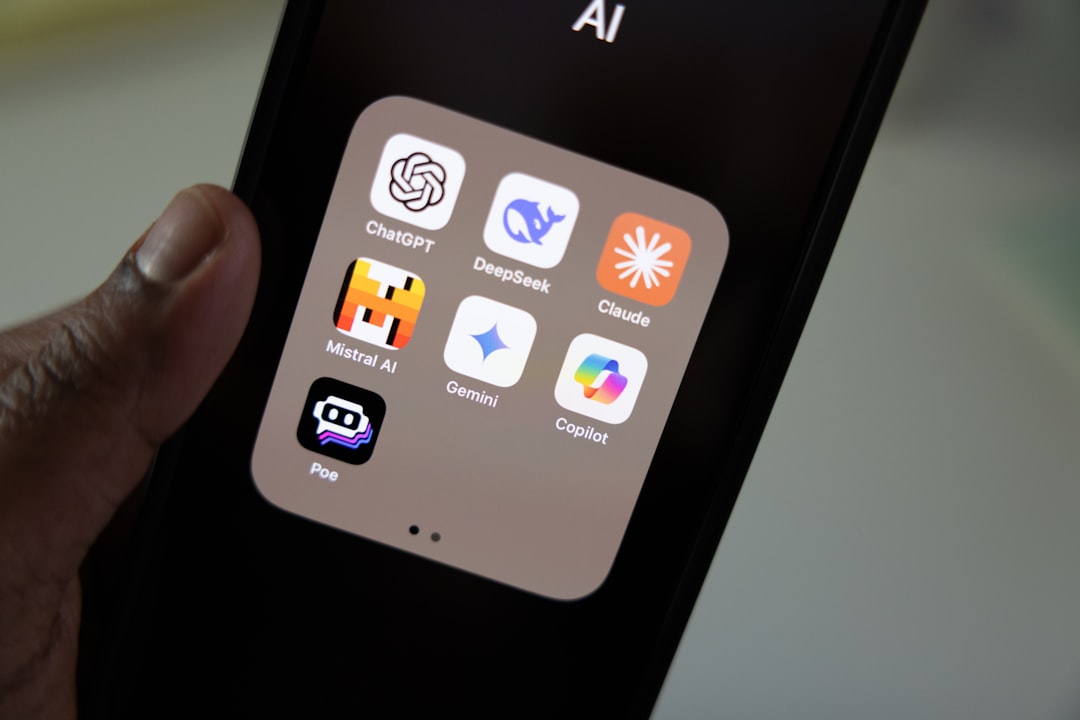
1. Understanding AI-First Products
AI-first products prioritize artificial intelligence as the core component driving functionality and user value. Unlike traditional apps where AI is an add-on feature, these products embed AI deeply within their architecture, enabling smarter decision-making, predictive analytics, and personalized experiences. This fundamental change redefines how mobile apps operate and deliver value.
2. The Role of Mobile Apps as the Interface Layer
In AI-first ecosystems, mobile apps no longer serve as standalone products but evolve into interface layers. They act primarily as access points that facilitate user interaction with powerful AI engines hosted on the cloud or edge servers. This shift allows apps to remain lightweight, responsive, and focused on delivering seamless experiences without heavy on-device processing.
3. Benefits of AI-Driven Interface Layers
By decoupling intelligence from the app interface, developers gain flexibility to rapidly update AI models without requiring full app redeployment. Users benefit from smarter functionalities such as real-time personalization, context-awareness, and continuous learning. Additionally, this model reduces device storage and battery consumption, as complex computations occur remotely.
4. How to Start Building AI-First Mobile Experiences
Transitioning to AI-first products involves integrating backend AI capabilities with intuitive frontend designs. Developers should focus on creating APIs that expose core AI services securely while designing mobile interfaces that prioritize usability and clarity. Leveraging cloud AI platforms and investing in user data privacy and security are critical first steps in this journey.
5. Common Challenges in AI-First Mobile App Development
Challenges include managing latency issues between the app and AI backend, ensuring data privacy compliance, and maintaining consistent user experiences across devices and network conditions. Balancing AI model complexity with interface simplicity can also be difficult, requiring thoughtful design and robust testing.
6. Best Practices for Designing AI-First Interface Layers
Successful AI-first mobile apps emphasize transparency by informing users about AI-driven decisions. Optimizing data pipelines for speed and reliability, implementing offline fallback modes, and continuously refining AI models based on user interactions lead to higher adoption and satisfaction. Collaboration between UX designers, AI engineers, and product managers is essential for alignment.
7. Conclusion: The Future of Mobile Apps in an AI-First World
As AI technologies evolve, mobile apps will increasingly become the surface through which users access intelligent services rather than standalone products. Embracing this change opens new possibilities for innovation, efficiency, and user-centric experiences. Companies that adapt early by rethinking app design and infrastructure are better positioned to lead in the AI era.
FAQ
Why are mobile apps becoming just an interface layer in AI-first products?
Because AI functionalities are handled by powerful backend systems, apps only serve as user interfaces to access those intelligent services.
What are the benefits of AI-first mobile apps for users?
Users get smarter, personalized, and faster experiences without compromising device performance or battery life.
You might also like
Mobile-First or AI-First? What Will Be More Important in 2025?
As we step into 2025, product strategy is at a crossroads: should we design for mobile-first, or embrace an AI-first approach? This article explores the shift in priorities, how each strategy shapes user experience, and which direction offers more value in the evolving tech landscape.

5 Mistakes Startups Make in Their First Mobile App
First app launch? Many startups fall into the same traps. Here are 5 common mistakes to avoid when building your first mobile MVP — and how to launch smarter.

Offline-first – is it still a relevant trend in mobile development?
In a hyper-connected world, going offline might sound outdated—but it’s more relevant than ever. Offline-first mobile apps improve UX, reliability, and retention, especially in unpredictable network conditions.

Leave your email address and we will send you a free guide: 5 reasons why your website isn't selling.