Why Custom Mobile Platforms Outperform Generic SaaS Tools: Unlocking Unique Business Potential
Szymon Wnuk
20 lut 2026
1. What Are Custom Mobile Platforms and Generic SaaS Tools?
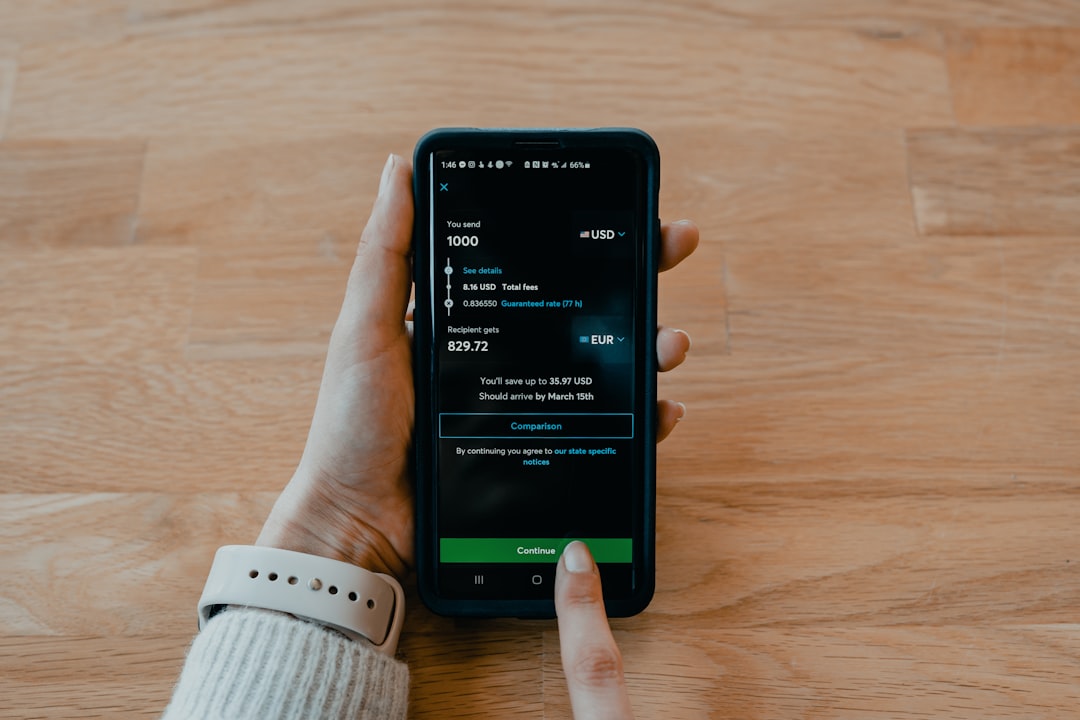
Custom mobile platforms are bespoke applications developed specifically to meet the unique needs of a business or organization. Unlike generic SaaS (Software as a Service) tools, which offer out-of-the-box solutions catering to a broad audience, custom platforms are tailored for particular workflows and objectives, allowing businesses to operate more efficiently and with greater flexibility.
2. Advantages of Custom Mobile Platforms Over Generic SaaS Tools
Personalization: Custom platforms can be designed to align perfectly with the company’s processes, branding, and goals, unlike generic SaaS tools which often force users to adapt to predefined workflows.
Scalability: Tailored solutions grow organically with your business, enabling seamless feature expansion and integration with other systems.
Data Security and Control: With a custom platform, businesses maintain full control over sensitive data and security protocols, minimizing risks associated with shared multi-tenant SaaS environments.
Improved User Experience: Custom development allows optimization of the user interface and experience to meet the specific needs of your target users, boosting productivity and satisfaction.
3. How to Get Started With a Custom Mobile Platform
Begin by conducting a thorough needs analysis to identify the specific features and functionalities that add value to your business operations. Collaborate with experienced developers specializing in mobile development and agile methodologies to ensure a smooth design, build, and deployment process. Set clear milestones and maintain active communication to adapt the platform as your needs evolve.
4. Practical Use Cases Highlighting the Superiority of Custom Platforms
Industries such as healthcare, logistics, and retail benefit significantly from custom mobile apps tailored to their complex and sensitive requirements. For example, healthcare providers can implement customized patient management systems that comply with strict regulations, while logistics companies can develop route optimization apps specific to their fleet and delivery models.
5. Common Challenges When Migrating From Generic SaaS to Custom Platforms
Transitioning to a custom solution may involve upfront investment, longer development timelines, and the need for dedicated IT resources. Additionally, businesses may face challenges in change management, requiring adequate training and support to ensure smooth adoption across teams.
6. Best Practices for Maximizing the Benefits of Custom Mobile Platforms
Engage stakeholders early to gather comprehensive requirements, prioritize key features, and focus on scalability. Invest in user-centric design to enhance adoption and reduce friction. Regularly update and maintain your platform to keep pace with technology advancements and evolving business needs.
7. Conclusion: Why Custom Mobile Platforms Are a Strategic Investment
Custom mobile platforms offer unmatched flexibility, control, and efficiency that generic SaaS tools simply cannot match. By designing solutions tailored to your unique business context, you unlock greater innovation potential, drive operational excellence, and ultimately achieve a stronger competitive advantage in the digital marketplace.
FAQ
Are custom mobile platforms more expensive than SaaS tools?
Custom platforms typically require higher upfront investment but offer better long-term value through tailored features and scalability.
How long does it take to develop a custom mobile platform?
Development timelines vary but generally range from a few months to over a year depending on complexity and requirements.
You might also like
Why Companies Build Mobile Apps Instead of Buying SaaS in 2026: Key Reasons Uncovered
In 2026, many companies prefer building custom mobile apps over purchasing SaaS solutions. This article explores the driving factors behind this trend, including enhanced customization, control, and competitive advantage.

Internal Apps Are the New SaaS: Why Companies Build Their Own Tools Today
More companies are shifting from traditional SaaS products to building custom internal apps. This trend is driven by the need for tailored solutions, increased flexibility, and better control over workflows, enabling businesses to operate more efficiently and competitively.
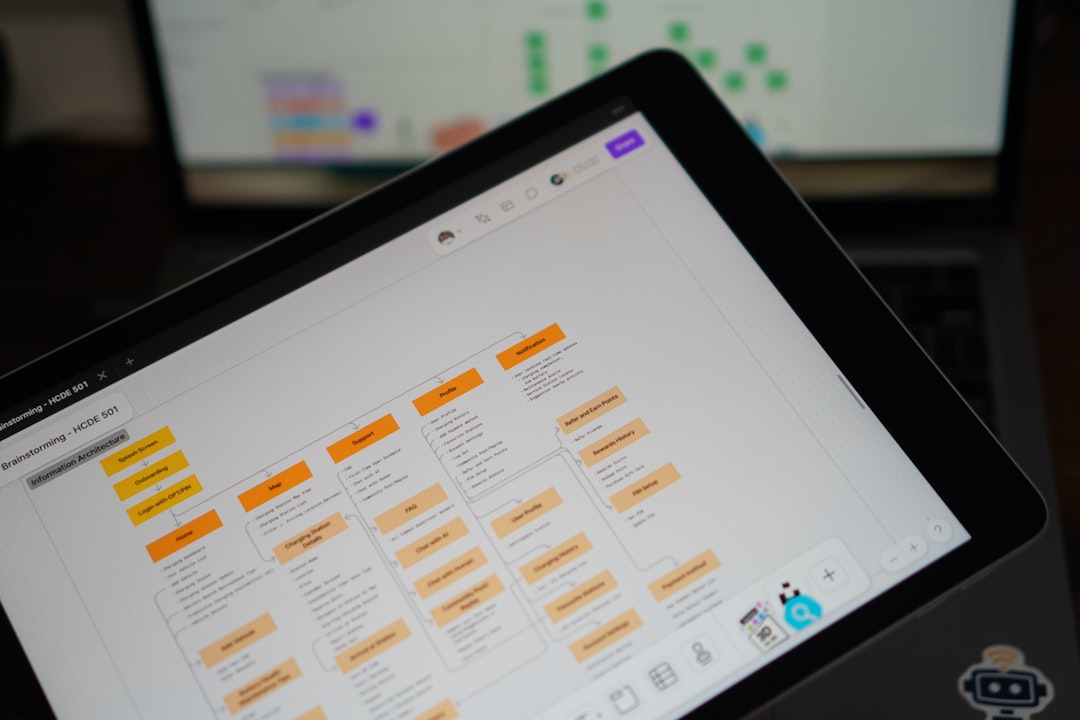
The New Trend: Micro-SaaS Mobile Apps Solving One Specific Pain Point
Discover the rise of micro-SaaS mobile apps designed to tackle one specific pain point, revolutionizing user experience by offering focused, efficient solutions. Learn why this trend is gaining momentum and how to get started.

Zostaw swój adres e-mail, a wyślemy Ci darmowy Poradnik: 5 powodów, przez które Twoja strona nie sprzedaje.