Why Companies Build Mobile Apps Instead of Buying SaaS in 2026: Key Reasons Uncovered
Szymon Wnuk
19 sty 2026
1. Understanding the Shift: Mobile Apps vs. SaaS
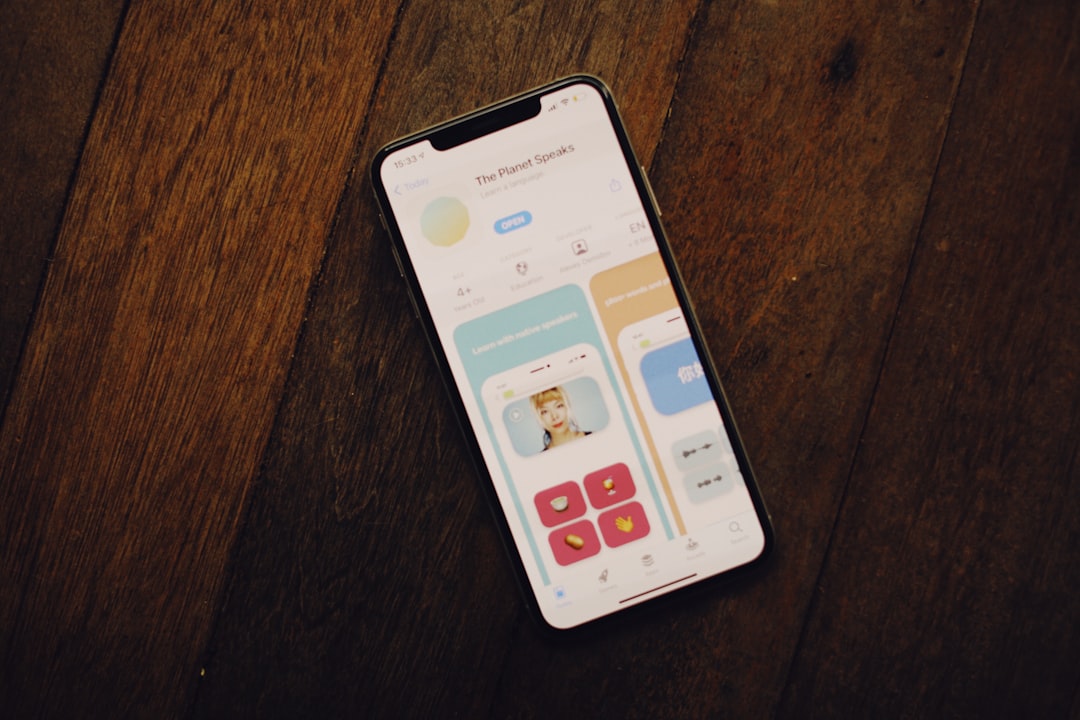
Companies today face a critical decision when it comes to digital tools: should they invest in off-the-shelf Software as a Service (SaaS) solutions, or should they build custom mobile applications tailored to their specific needs? While SaaS offers convenience and quick deployment, the trend in 2026 shows a growing preference for custom-built mobile apps. This shift is driven by businesses seeking greater control, flexibility, and direct engagement with their customers.
2. Advantages of Building Custom Mobile Apps
Customization and Control: Unlike SaaS platforms, mobile apps built in-house or through dedicated development teams allow companies full control over features, design, and user experience. This customization means businesses can precisely meet customer expectations and rapidly implement changes based on feedback.
Data Privacy and Security: With increasing regulations around data protection, companies find it safer to manage data through their own applications rather than relying on third-party SaaS providers that might have broad data access.
Brand Differentiation: Mobile apps offer a unique channel to create a seamless brand experience. Instead of sharing a platform with competitors as in SaaS environments, companies can create immersive and exclusive interactions.
3. Getting Started with Custom Mobile App Development
To build an effective mobile app, companies should begin with thorough market research and user analysis to identify core needs. Partnering with experienced developers or hiring in-house talent ensures solid architecture and scalability. Agile development methodologies also help to iterate quickly and incorporate user feedback effectively.
4. Practical Use Cases Driving the Trend
Industries like retail, healthcare, and finance increasingly develop mobile apps to enhance customer service, enable personalized communication, and integrate proprietary technologies such as AI-driven analytics or biometric authentication. For example, healthcare apps provide tailored patient management systems that SaaS platforms often cannot fully customize due to generic constraints.
5. Common Challenges in Building Mobile Apps
Despite advantages, creating a custom mobile app is not without issues. High upfront development costs, the need for continuous maintenance, and faster technology obsolescence can pose challenges. Additionally, companies must be prepared for rigorous testing and ensuring compatibility across multiple devices and operating systems.
6. Best Practices to Ensure Success
Successful app development involves clear goal setting, involving end-users early on, and investing in UX/UI design. Security should be prioritized from the outset by incorporating encryption and secure authentication methods. Ongoing monitoring and updates keep the app relevant and secure, while analytics tools help drive data-informed decisions for improvements.
7. Conclusion: Why Building Triumphs Over Buying in 2026
In conclusion, while SaaS solutions offer speed and ease, building custom mobile apps in 2026 empowers companies with unmatched customization, data control, and competitive differentiation. As technology and customer expectations evolve, bespoke applications represent a strategic investment for businesses aiming to thrive in a digital-first world.
FAQ
Why do companies prefer building mobile apps over SaaS?
Companies seek greater customization, control over data, and a unique user experience that off-the-shelf SaaS solutions often cannot provide.
What are the main challenges of developing custom mobile apps?
Challenges include high initial costs, ongoing maintenance, device compatibility, and ensuring strong security measures.
You might also like
Apple Vision Pro w Biznesie – Jak firmy mogą wykorzystać rzeczywistość rozszerzoną?
Apple Vision Pro otwiera nowy rozdział w wykorzystaniu technologii immersyjnych w biznesie. Od szkoleń i spotkań wirtualnych po projektowanie i wizualizację danych – możliwości są ogromne. Jak firmy mogą skorzystać z potencjału AR i VR? Przyglądamy się najważniejszym zastosowaniom oraz case studies firm, które już wdrażają te technologie.

Why More Companies Are Outsourcing Mobile Development to Poland: Unlocking Innovation and Cost Efficiency
Discover why Poland has become a top destination for outsourcing mobile development. From skilled developers to competitive costs, learn how businesses are benefiting by partnering with Polish tech experts.

Vision Pro UX Mistakes Companies Will Regret in 2026: Avoid These Critical Errors Now
As Vision Pro technology reshapes user experiences, companies must avoid costly UX mistakes. Discover the key pitfalls to steer clear of and future-proof your designs for 2026.
Zostaw swój adres e-mail, a wyślemy Ci darmowy Poradnik: 5 powodów, przez które Twoja strona nie sprzedaje.