Mobility as a Service (MaaS): How Apps Will Revolutionize City Transport
Szymon Wnuk
18 gru 2025

1. What is Mobility as a Service (MaaS)?
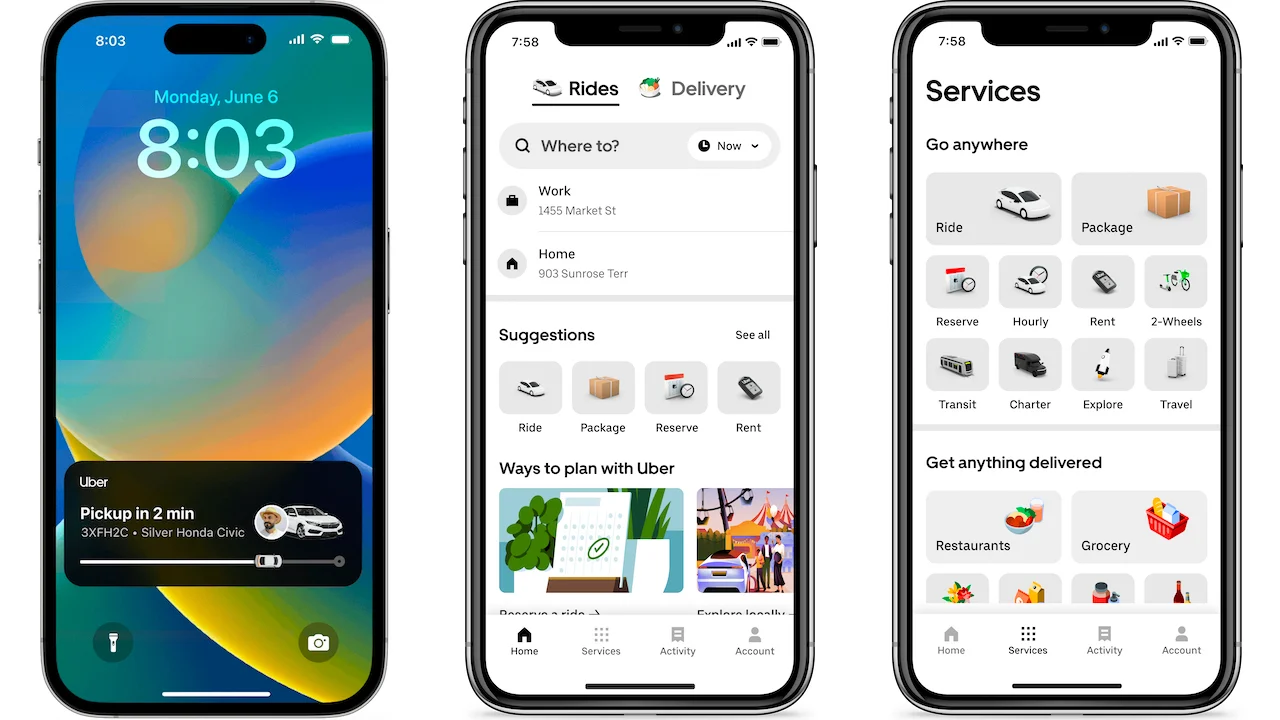
Mobility as a Service (MaaS) is an innovative concept that combines various forms of urban transport services into a single digital platform. This approach allows users to plan, book, and pay for diverse mobility options such as buses, subways, taxis, bike sharing, and car rentals—all within one app. By leveraging technology, MaaS aims to simplify city transport and reduce reliance on private vehicles.
2. Benefits of MaaS for Urban Transportation
The rise of MaaS apps delivers numerous advantages. Firstly, they enhance convenience by providing real-time data and integrated payment options. Secondly, they promote sustainability by encouraging public transit and shared mobility, which helps lower emissions and traffic congestion. Additionally, MaaS increases accessibility by tailoring transport options to individual needs, which is especially beneficial for people without private vehicles.
3. How to Get Started with MaaS
Getting started with MaaS is straightforward: users typically download a MaaS app designed for their city, create an account, and input preferences like preferred transportation modes or payment methods. The app then offers multi-modal route options, allowing the user to choose the most efficient or cost-effective journey. For city planners and transport providers, collaboration and data sharing are essential to implement and maintain MaaS platforms effectively.
4. Practical Applications of MaaS Technology
MaaS apps are already making impacts in cities worldwide. For example, Helsinki’s Whim app integrates public transit, taxis, rental cars, and bikes into one subscription service. Similarly, in Singapore, MaaS platforms are helping reduce private car ownership by offering flexible, on-demand transport. These practical applications showcase how MaaS can improve user experience, reduce urban congestion, and support a greener future.
5. Common Challenges in Adopting MaaS
While MaaS offers promising solutions, adoption faces challenges such as data privacy concerns, interoperability issues among different transit systems, and regulatory hurdles. Additionally, ensuring equitable access across all social groups and managing the financial sustainability of integrated platforms can be complex. Overcoming these challenges requires cooperation among governments, technology providers, and transport operators.
6. Best Practices for Maximizing MaaS Potential
To fully benefit from MaaS, cities should prioritize open data policies, foster partnerships across sectors, and invest in user-friendly technology. It’s also critical to educate the public on MaaS benefits and ensure inclusivity for diverse populations. Continuous feedback loops and agile development can help tailor services dynamically to evolving urban mobility needs.
7. Conclusion: The Future of City Transport with MaaS
Mobility as a Service represents a paradigm shift in how people navigate cities. By uniting various transport options in one app, MaaS increases convenience, promotes sustainability, and enhances social equity. As technology advances and cities collaborate more closely, MaaS could become the foundation of efficient, user-centric urban mobility worldwide.
FAQ
What types of transportation are included in MaaS?
MaaS typically integrates public transit, ride-sharing, bike-sharing, car rentals, taxis, and sometimes even walking routes.
Is MaaS available in all cities?
MaaS is expanding globally but is currently more prevalent in larger metropolitan areas with integrated transit systems.
You might also like
Minimalizm w UI – Czy prostota jest kluczem do sukcesu aplikacji mobilnych?
Minimalistyczny design to nie tylko estetyka, ale także sposób na poprawę użyteczności i efektywności aplikacji mobilnych. W świecie natłoku informacji, użytkownicy coraz bardziej cenią przejrzystość i prostotę. Czy minimalizm to przyszłość UX? Jakie są kluczowe zasady projektowania prostych, a jednocześnie funkcjonalnych interfejsów?
Sztuczna inteligencja w marketingu 2025 – Jak automatyzować kampanie bez utraty autentyczności
W miarę zbliżania się do 2025 roku, sztuczna inteligencja nie jest już tylko trendem w marketingu — jest podstawą nowoczesnych kampanii. Od generowania nagłówków po hiperpersonalizację ścieżek użytkowników, narzędzia marketingowe oparte na AI zdefiniowały na nowo to, co jest możliwe. Ale oto wyzwanie: Jak automatyzować na dużą skalę, nie tracąc ludzkiego dotyku? Ten artykuł bada, jak używać copywritingu opartego na AI i personalizacji, aby budować autentyczne, mające duży wpływ kampanie w erze automatyzacji.

The Future of On-Demand Services: What Mobile Apps Will Look Like in 2026
Explore the evolving landscape of on-demand services and discover how mobile apps will transform by 2026 with advanced technology, personalized experiences, and seamless connectivity.
Zostaw swój adres e-mail, a wyślemy Ci darmowy Poradnik: 5 powodów, przez które Twoja strona nie sprzedaje.