Why Simplicity Wins in Modern Mobile App Design: Unlock Better User Experience Today
Szymon Wnuk
Mar 16, 2026

1. What Is Simplicity in Mobile App Design?
Simplicity in mobile app design refers to creating interfaces that are clean, intuitive, and free from unnecessary elements. It focuses on essential features that users need, presenting them in a straightforward and easy-to-navigate manner. By eliminating complexity, designers help users accomplish tasks efficiently without confusion or frustration.
2. Benefits of Simplicity in Mobile Apps
Simplicity boosts user satisfaction by reducing cognitive overload and speeding up task completion. Simple designs tend to load faster, consume less battery, and perform more reliably across devices. Additionally, a minimalist interface makes the app more accessible to a wider audience, including those less tech-savvy, enhancing overall engagement and retention.
3. How to Start Implementing Simplicity
Begin by prioritizing core functionalities that fulfill primary user needs. Remove or hide non-essential features and visual distractions. Use whitespace effectively to create a balanced layout, and stick to a limited color palette and consistent typography. User testing is crucial to identify elements that may still complicate the experience.
4. Practical Applications of Simple Design
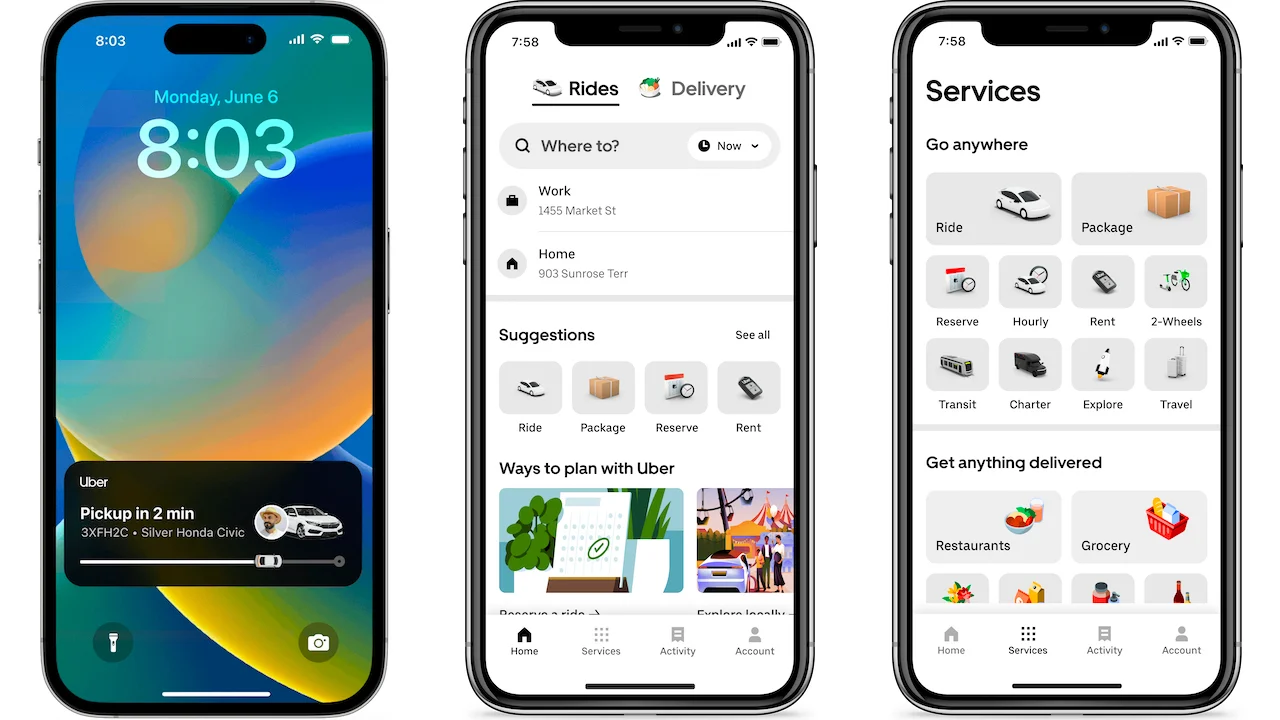
Popular apps like Instagram and Spotify embrace simplicity by focusing on straightforward navigation and clear calls to action. Features are often condensed into minimal menus or combined to minimize taps. Animations and transitions are subtle and purposeful, guiding users without overwhelming them.
5. Common Challenges with Simplicity
A key challenge is resisting the temptation to add too many features or flashy visuals. Oversimplification can also lead to missing important functionalities, causing user frustration. Balancing simplicity with completeness requires thoughtful design decisions and constant user feedback.
6. Best Practices for Simple Mobile App Design
Focus on intuitive user flows and predictable interactions. Use familiar iconography and labels to reduce learning curves. Optimize for fast loading times and ensure responsive layouts on different screen sizes. Regularly update the app based on analytics and user insights to maintain and improve simplicity.
7. Conclusion: Why Simplicity Is the Future
In today’s crowded app ecosystem, simplicity stands out as a key factor for success. It enhances usability, increases user satisfaction, and drives engagement while reducing development and maintenance complexity. By embracing simplicity, developers can deliver apps that truly resonate with users and encourage long-term loyalty.
FAQ
Why is simplicity important in mobile app design?
Simplicity improves usability and helps users complete tasks quickly and easily.
How can I simplify my mobile app design?
Focus on core features, remove unnecessary elements, and use clean, consistent visual styles.
You might also like
Beauty Industry Tech: Bedev Apps That Simplify Bookings for Seamless Client Management
Discover how Bedev apps are revolutionizing the beauty industry by simplifying appointment bookings. These innovative tools enhance client experiences and streamline business operations, making scheduling effortless for both service providers and customers.

Minimalism in UI – Is Simplicity the Key to Success for Mobile Applications?
Minimalist design is more than just aesthetics; it’s a way to enhance usability and efficiency in mobile apps. In an age of information overload, users increasingly value clarity and simplicity. Is minimalism the future of UX? What are the key principles for designing simple yet functional interfaces?
AI-Generated Code – Should Developers Fear Copilot and Gemini?
Do AI-powered coding tools like GitHub Copilot and Google Gemini pose a threat to developers, or are they simply the next step in the evolution of programming? Let’s examine the benefits, limitations, and practical uses of AI-generated code in everyday development.

Leave your email address and we will send you a free guide: 5 reasons why your website isn't selling.