Why 2026 Is the Year of Task-Specific Mobile Apps: Unlocking New Productivity Levels
Szymon Wnuk
Feb 14, 2026
1. Understanding Task-Specific Mobile Apps
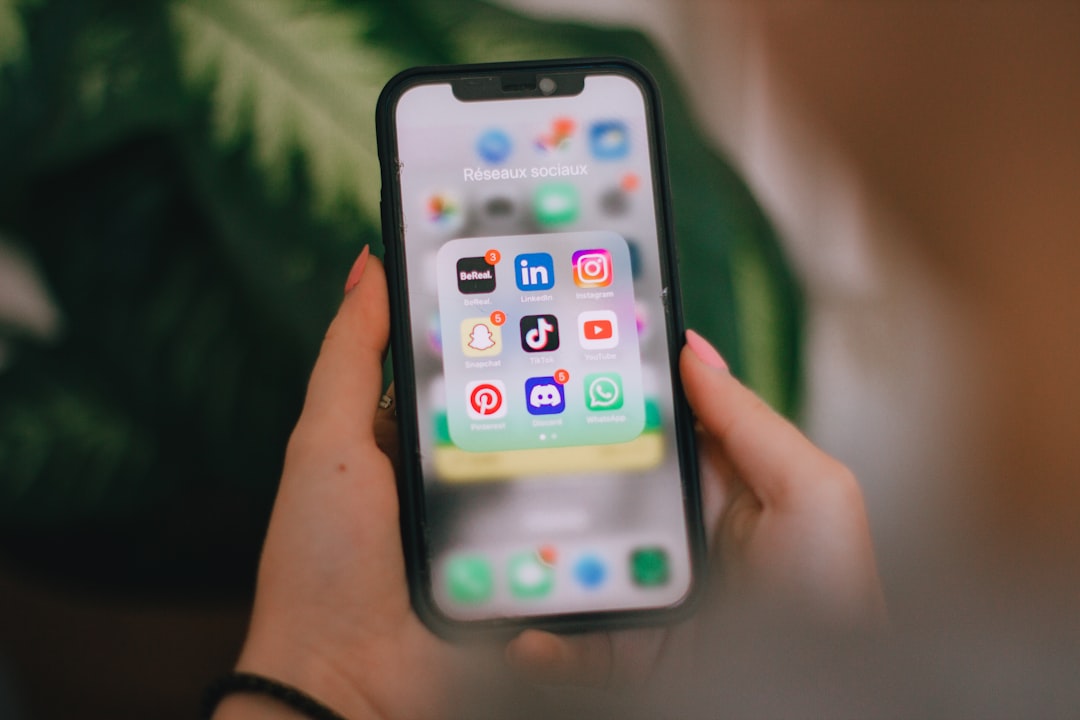
Task-specific mobile apps are designed with a singular purpose or a limited set of functions to streamline particular workflows or activities on mobile devices. Unlike general-purpose apps packed with multiple features, these apps focus on solving one core problem efficiently. In 2026, we see a surge in their adoption due to the rise of user demands for simplicity and speed.
2. Advantages of Task-Specific Mobile Apps
Task-specific apps offer several benefits including faster load times, lower data consumption, and user interfaces optimized for precision and ease of use. Their focused nature reduces distractions, which improves user productivity and satisfaction. For businesses, these apps allow targeted marketing and in-depth analytics on user behavior related to very specific tasks.
3. How to Start Developing Task-Specific Mobile Apps
To create an effective task-specific app, start by identifying a narrow pain point or activity that users frequently engage in. Conduct thorough market research to validate the demand. Design minimalistic user interfaces and leverage the latest mobile technologies such as AI or machine learning to enhance task automation. Prioritize seamless integration with other platforms for added value.
4. Practical Applications in Various Industries
2026 brings innovative use cases for task-specific apps in fields like healthcare, where apps monitor specific vitals; logistics, focusing on real-time delivery tracking; finance, simplifying bill payments; and education, providing microlearning experiences. Each industry benefits from apps that cater precisely to core user needs without unnecessary complexity.
5. Common Challenges and How to Overcome Them
Despite their focus, task-specific apps may struggle with user retention if the single function is too niche or lacks continuous value addition. Overcoming this requires regular updates, adding complementary microfeatures, and promoting cross-app compatibility. Ensuring robust privacy and security when handling sensitive data is also critical.
6. Best Practices for 2026 Task-Specific Apps
Design for simplicity and speed ensuring that users achieve their goal with minimum taps. Utilize user feedback to iterate rapidly. Embrace modular architecture to allow easy updates and scalability. Leverage cloud services for data storage and processing without draining device resources. Lastly, incorporate AI-driven personalization to adapt the app’s behavior to individual user habits.
7. Conclusion: The Future Is Focused and Functional
As mobile device users seek more efficient ways to accomplish specific tasks, 2026 stands out as the year task-specific mobile apps become essential tools. Their streamlined approaches save time, reduce cognitive load, and provide businesses with precise insights, highlighting the growing importance of focused app development strategies in an ever-competitive digital world.
FAQ
What defines a task-specific mobile app?
An app designed to perform one primary function or a small set of related tasks with high efficiency.
Why are task-specific apps gaining popularity in 2026?
Because users demand faster, simpler tools that reduce distractions and improve productivity.
You might also like
Vision Pro Training Apps: The Fastest Way to Upskill Teams in 2026
Discover how Vision Pro training apps are revolutionizing corporate learning in 2026 by providing immersive, efficient, and scalable solutions to rapidly upskill teams across industries.
Why Spatial Apps Will Replace Traditional Dashboards in 2026: The Future of Data Visualization
Explore why spatial apps are set to revolutionize data visualization by 2026, surpassing traditional dashboards with immersive, interactive experiences that significantly enhance decision-making.

Why Every Beauty Brand Will Need an App by 2026: Future-Proof Your Business Today
The beauty industry is rapidly evolving, and having a dedicated app is becoming crucial. By 2026, every beauty brand will need an app to enhance customer experience, boost engagement, and stay competitive in a digital-first world.

Leave your email address and we will send you a free guide: 5 reasons why your website isn't selling.