Internal Apps Are the New SaaS: Why Companies Build Their Own Tools Today
Szymon Wnuk
Jan 8, 2026
1. What Are Internal Apps and How Do They Compare to SaaS?
Internal apps are custom-built software solutions designed specifically for a company’s unique needs. Unlike SaaS (Software as a Service) products, which are developed for a broad market with off-the-shelf features, internal apps cater exclusively to the internal processes and workflows of an organization. This means they can provide a higher degree of customization and integration with existing systems.
2. Benefits of Building Internal Apps Over Using Traditional SaaS
One of the biggest advantages is tailored functionality. Internal apps are designed to fit the exact requirements of a business, often resulting in higher efficiency and productivity. They offer greater flexibility, as companies can easily modify and scale features without relying on external vendors. Additionally, internal apps enhance data security because sensitive business information remains within the organization's infrastructure, reducing exposure to third-party risks.
3. How to Start Building Your Own Internal Tools
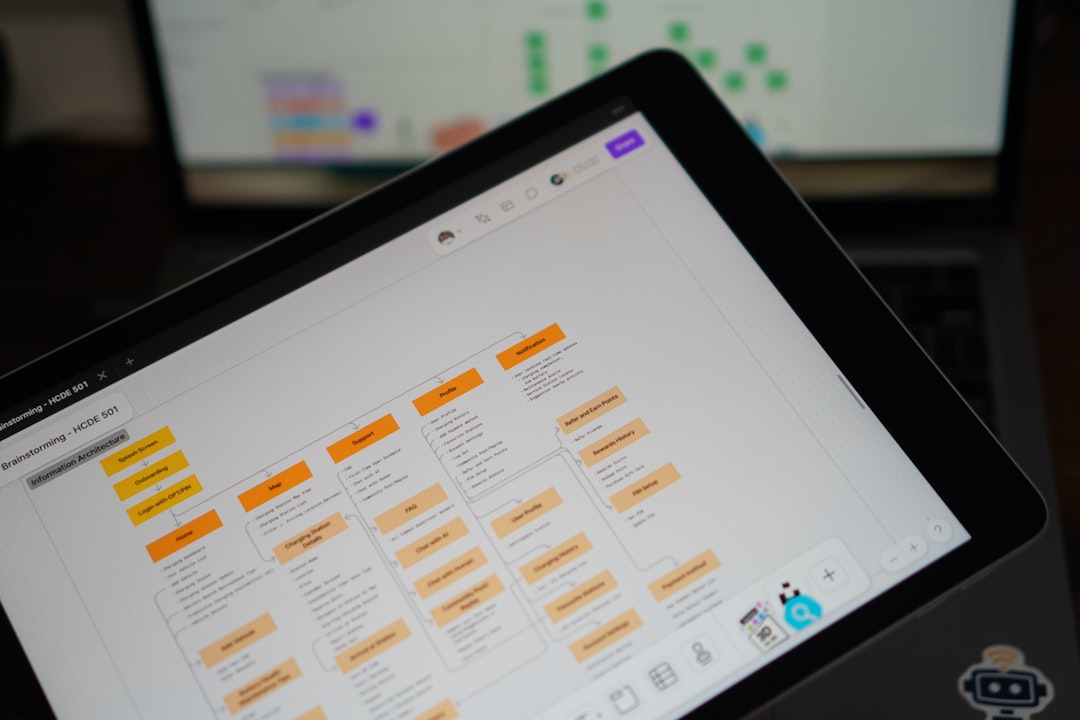
Begin by identifying pain points or inefficiencies in your current processes that off-the-shelf SaaS doesn’t address. Collaborate with key stakeholders to outline requirements and goals. Assemble a cross-functional team combining business knowledge and technical expertise. Choose development approaches wisely—whether in-house coding, low-code platforms, or a hybrid—and prioritize user-friendly designs to ensure high adoption rates.
4. Practical Uses of Internal Applications Across Industries
Internal apps serve various purposes such as customized CRM systems, inventory management, task automation, employee onboarding, and internal communication. Industries like finance, healthcare, manufacturing, and retail leverage internal apps to streamline operations, ensure regulatory compliance, and gather actionable insights tailored to their unique challenges.
5. Common Challenges and How to Overcome Them
Building internal apps isn't without challenges. Typical hurdles include resource allocation, managing ongoing maintenance, and ensuring security compliance. To tackle these, companies should establish clear project scopes, invest in training or hire experienced developers, and implement robust security protocols. Continuous user feedback and iterative development also help address usability issues early.
6. Best Practices for Developing Effective Internal Applications
Successful internal apps emphasize user-centric design, ensuring the tools are intuitive for employees. Prioritize modular architecture for easier updates and integration. Employ agile development methodologies to adapt quickly to evolving business needs. Additionally, maintain thorough documentation and establish routine testing protocols to ensure reliability and ease of onboarding new team members.
7. Conclusion: Why Internal Apps Are the Future of Business Software
As companies seek competitive advantages, internal apps are becoming vital tools by offering customizability, security, and agility not always feasible with traditional SaaS. Investing in building tailored internal software empowers organizations to optimize workflows, enhance productivity, and adapt swiftly to market changes—making internal apps the new frontier in enterprise software innovation.
FAQ
What is the main difference between internal apps and SaaS?
Internal apps are custom-built for a company’s specific needs, while SaaS products are general solutions designed for a wide audience.
Are internal apps more secure than SaaS?
They can be more secure since data is stored and controlled within the company, reducing third-party exposure.
You might also like
The New Trend: Micro-SaaS Mobile Apps Solving One Specific Pain Point
Discover the rise of micro-SaaS mobile apps designed to tackle one specific pain point, revolutionizing user experience by offering focused, efficient solutions. Learn why this trend is gaining momentum and how to get started.

Building Employee Tools: The Rise of Internal Mobile Apps Transforming Companies
Internal mobile apps are revolutionizing how companies empower their workforce. Discover how building employee tools enhances productivity, communication, and engagement within organizations.

The Rise of AI-Powered Onboarding in Mobile Apps: Transforming User Experience Today
Discover how AI-powered onboarding is revolutionizing mobile apps by personalizing the user journey, increasing engagement, and streamlining the first impressions for new users through intelligent automation.

Leave your email address and we will send you a free guide: 5 reasons why your website isn't selling.