From UI to AI: Why Interfaces Are Becoming Invisible and What It Means for the Future
Szymon Wnuk
May 3, 2026
1. Understanding the Shift from UI to AI
The digital landscape is rapidly evolving, shifting from traditional visual User Interfaces (UI) to more seamless, intelligent Artificial Intelligence (AI)-powered interactions. This transition marks a move towards invisible interfaces, where users do not consciously interact with screens or buttons but rather experience technology intuitively through voice, gestures, or contextual intelligence.
2. Advantages of Invisible Interfaces
Invisible interfaces offer numerous benefits, including enhanced user convenience, faster interaction speeds, and personalized experiences. By removing the need for explicit input devices, AI-driven interfaces can anticipate needs, reduce cognitive load, and allow users to focus more on their tasks rather than on navigating complex controls.
3. How to Start Adopting AI-Powered Interfaces
To move towards invisible AI interfaces, companies should begin by embracing technologies like natural language processing (NLP), computer vision, and machine learning. Starting with voice assistants, chatbots, or smart automation in products or services can pave the way. It’s crucial to prioritize user privacy and design interactions that feel intuitive and human-centered.
4. Practical Applications of Invisible Interfaces
Invisible interfaces are already practical in many domains: smart homes use voice-activated controls, wearable devices combine AI with gesture recognition, and customer service is increasingly enhanced with conversational AI. In healthcare, AI interfaces help with real-time monitoring without requiring complex user input, showcasing broad applicability across industries.
5. Common Challenges in Transitioning to Invisible Interfaces
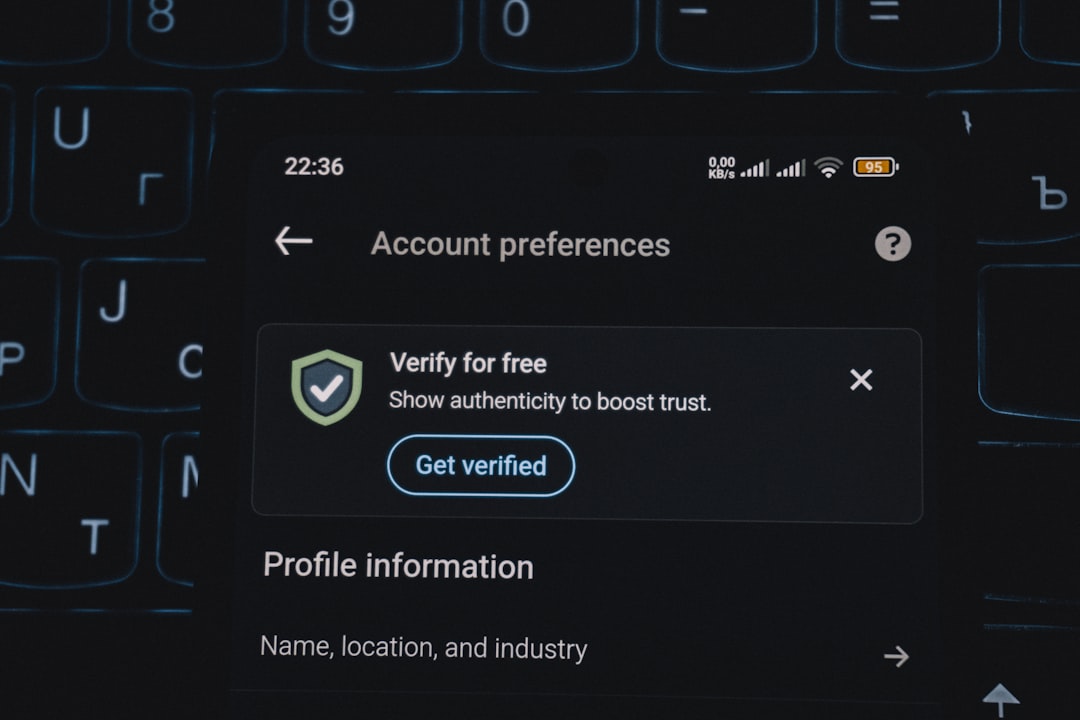
Despite their promise, invisible interfaces pose challenges such as ensuring accurate intent recognition, maintaining user trust, and addressing accessibility concerns. Additionally, designing AI that adapts to diverse user behaviors without overwhelming or confusing them requires thoughtful development and continuous feedback loops.
6. Best Practices for Designing Invisible AI Interfaces
Successful invisible interfaces rely on transparency, responsiveness, and context-awareness. Designers should focus on clear feedback mechanisms even when input is subtle or implicit, safeguard data privacy, and create fail-safes for misinterpretations. User testing with diverse groups is essential to refine how AI perceives and responds to human input.
7. Conclusion: The Future of Interfaces is Invisible
The journey from UI to AI represents a fundamental shift in how we engage with technology, making interfaces disappear behind natural, intelligent interactions. Embracing invisible AI interfaces can revolutionize user experience by making technology more accessible, efficient, and human-centric, shaping the future of digital innovation.
FAQ
What does it mean for an interface to be invisible?
An invisible interface means the user interacts with technology naturally without visible controls like buttons or screens, often through voice, gestures, or AI-driven responses.
How does AI improve user interaction compared to traditional UI?
AI enables personalized, predictive, and context-aware experiences that reduce the need for manual input and make interactions smoother and more intuitive.
You might also like
From Idea to MVP in 4 Weeks – A Real Plan for Startups
Building a Minimum Viable Product doesn’t have to take months. With the right multiplatform development team, it’s possible to go from concept to a working prototype in as little as four weeks. Here’s how top teams do it – plus a real case study.

From Idea to Scalable App: Key Steps in Modern Development
Turning your app idea into a scalable product requires a clear roadmap. Discover the essential steps in modern development that help transform concepts into successful applications.

From MVP to Product: When to Scale Your Mobile App for Maximum Impact
Scaling your mobile app at the right moment can make all the difference between success and failure. Learn how to identify the ideal time to transition from MVP to a fully scaled product to maximize growth and user satisfaction.
Leave your email address and we will send you a free guide: 5 reasons why your website isn't selling.