
Why Your Business Needs a Mobile App in 2025 (and Not Just a Website)
Szymon Wnuk
3 lis 2025
1. What is it?
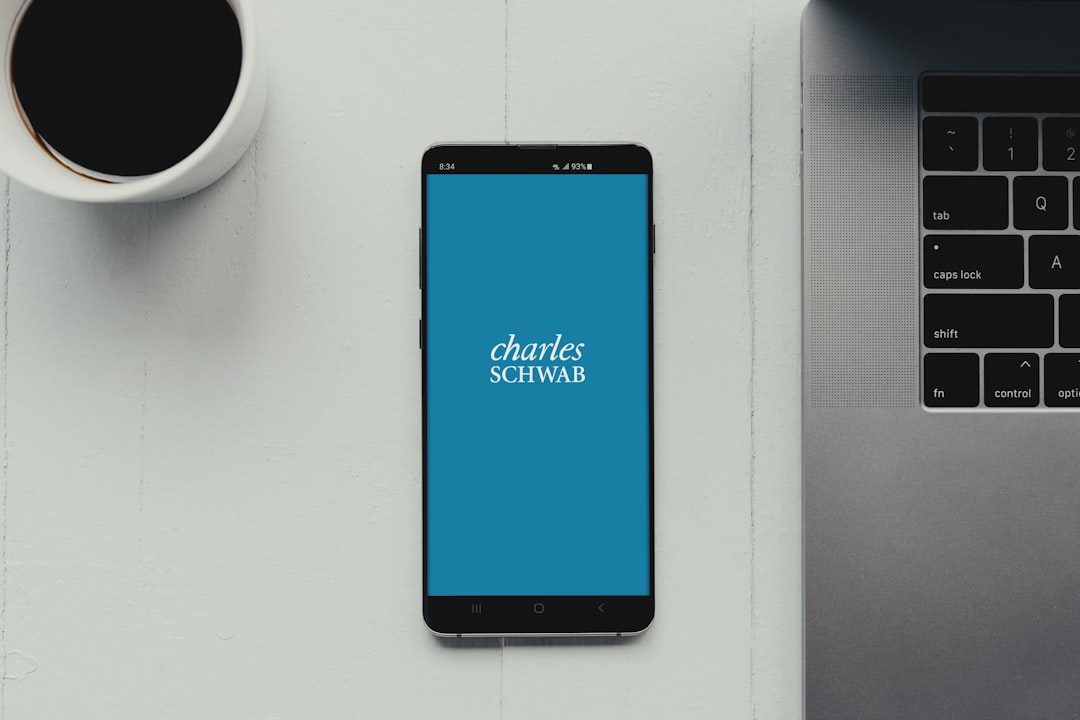
A mobile app is a software application designed specifically to run on smartphones and tablets. Unlike a website, which users access via browsers, mobile apps are downloaded from app stores and provide a more personalized, interactive experience tailored to mobile devices.
2. Key benefits
Mobile apps offer faster, more reliable performance and enable businesses to engage users through push notifications, offline functionality, and access to device-specific features like GPS and cameras. They enhance customer loyalty by delivering seamless experiences and can significantly boost revenue through in-app purchases and targeted marketing.
3. How to get started
Begin by defining your app’s purpose and target audience. Collaborate with skilled app developers or agencies to design an intuitive interface and robust functionality. Prioritize cross-platform compatibility (iOS and Android) and integrate analytics to monitor user behavior for ongoing improvements.
4. Practical applications
Retailers can use mobile apps for smooth shopping experiences, personalized recommendations, and loyalty programs. Service businesses can leverage apps for booking, customer support, and real-time updates. Even B2B companies benefit by streamlining communication and providing value-added tools to clients.
5. Common challenges
Developing a high-quality mobile app can be costly and time-consuming. Ensuring consistent performance across devices and maintaining user engagement post-launch require ongoing investment. Additionally, businesses must navigate app store policies and prioritize data privacy compliance.
6. Best practices
Focus on user-centric design with simple navigation and fast load times. Regularly update the app based on customer feedback and technological advancements. Use push notifications wisely to avoid overwhelming users, and employ strong security measures to protect user data.
7. Conclusion
In 2025, a mobile app is a critical asset that complements your website by offering enhanced engagement, convenience, and monetization opportunities. Investing in a mobile app not only meets modern consumer expectations but also positions your business for sustained growth in an increasingly mobile-driven market.
FAQ
Can a website alone suffice for my business in 2025?
While websites remain essential, they often lack the interactivity and personalized features that mobile apps provide, which are crucial for modern user engagement.
How much does it typically cost to develop a mobile app?
Costs vary widely based on complexity, platform, and features but typically range from $10,000 to $100,000 or more.
You might also like
Rozwój mobilny 2025 – Jakie umiejętności będą potrzebne nowoczesnym deweloperom?
Rok 2025 redefiniuje, co oznacza bycie deweloperem mobilnym. Od frameworków wieloplatformowych po integrację AI i DevSecOps – poprzeczka się podnosi. Oto umiejętności, które będą potrzebne, aby pozostać na czołowej pozycji.

Trendy w projektowaniu aplikacji mobilnych 2025 – Co naprawdę ma znaczenie dla użytkownika?
Minimalizm nie wystarcza już. W 2025 roku użytkownicy oczekują, że aplikacje mobilne będą nie tylko estetyczne, ale także intuicyjne, responsywne i „żywe”. Które trendy UI/UX mobile rzeczywiście poprawiają doświadczenia użytkownika? Oto co wdrożyć - a co zostawić w 2024 roku.

Mobile App Costs Explained: What Influences Your 2025 Budget for Success
Understanding mobile app costs is crucial for planning your 2025 budget. This article breaks down key factors influencing expenses, helping you create a realistic investment plan for your next app project.
Zostaw swój adres e-mail, a wyślemy Ci darmowy Poradnik: 5 powodów, przez które Twoja strona nie sprzedaje.