Vision Pro in Marketing Campaigns: Unlocking Potential Beyond AR Filters
Szymon Wnuk
23 sty 2026
1. What is Vision Pro and its Role in Marketing?
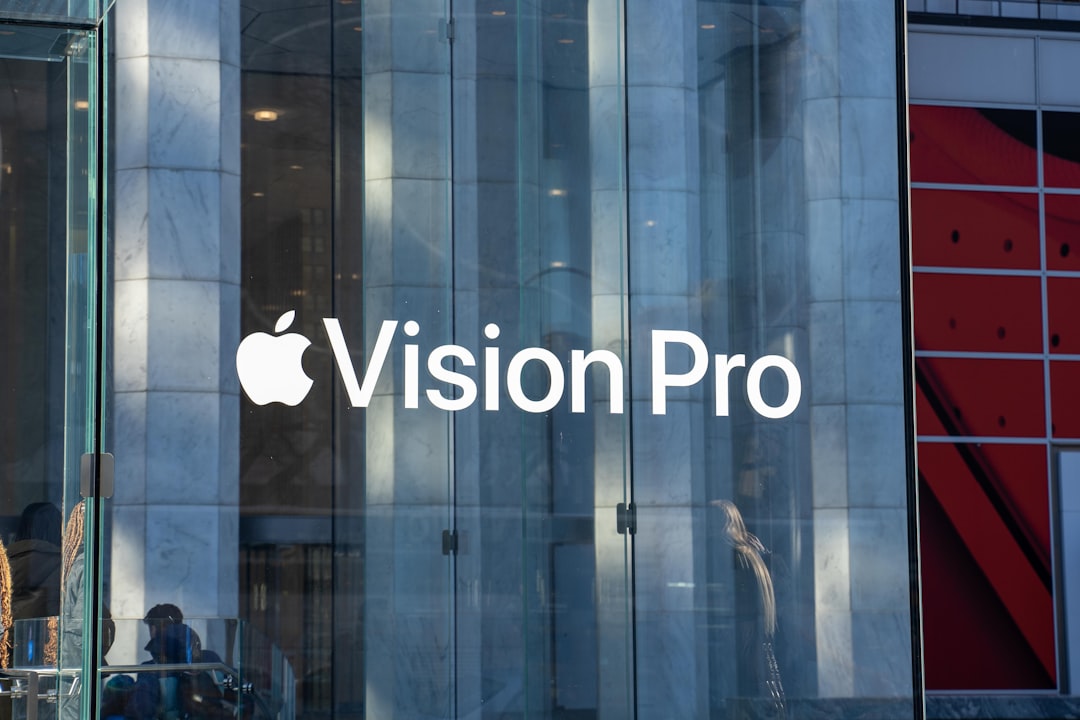
Vision Pro is an advanced spatial computing device that blends digital content seamlessly with the real world. Unlike conventional AR filters that mainly overlay digital graphics on camera views, Vision Pro offers immersive experiences that engage multiple senses. Its powerful capabilities enable marketers to create personalized, interactive campaigns that go far beyond simple visual effects.
2. Benefits of Using Vision Pro in Marketing Campaigns
By integrating Vision Pro technology, marketers can craft richer brand narratives and deeper customer engagement. The device supports three-dimensional content, realistic animations, and spatial audio, making interactions more memorable. Additionally, Vision Pro helps brands differentiate themselves in saturated markets by delivering unique and futuristic experiences that foster emotional connections and drive higher conversion rates.
3. How to Get Started with Vision Pro in Marketing
Starting with Vision Pro involves understanding its hardware capabilities and software ecosystem. Marketers should collaborate with developers and creative teams to design tailored experiences aligned with their campaign objectives. Investing in training or partnering with specialized agencies can accelerate adoption. Moreover, leveraging existing design frameworks and prototyping tools for spatial computing can help brands test and iterate immersive concepts efficiently.
4. Practical Applications of Vision Pro in Marketing
Vision Pro enables a broad range of marketing use cases. Retail brands can create virtual try-ons and immersive product demos that customers can interact with in real time. Automotive companies might offer virtual test drives or walkthroughs of new vehicle features within consumers' environments. Event marketers can design engaging virtual booths or customized experiences that blend live and digital elements, significantly enhancing attendee interaction. Even storytelling and educational campaigns benefit from Vision Pro's ability to weave narratives that users can explore interactively.
5. Common Challenges When Using Vision Pro in Marketing
Despite its potential, adopting Vision Pro brings challenges such as high production costs, requirement for specialized skills, and ensuring smooth user experiences across diverse environments. Another hurdle is the limited current user base, which means campaigns must balance innovation with accessibility. Data privacy and content moderation are also critical concerns when creating immersive experiences, requiring thoughtful strategy and compliance measures.
6. Best Practices for Maximizing Vision Pro Marketing Campaigns
Successful Vision Pro campaigns prioritize user experience, ensuring intuitive navigation and minimizing friction. Marketers should focus on storytelling that leverages spatial computing’s strengths rather than simply replicating traditional ads in 3D. Integrating social sharing features and cross-platform accessibility increases reach. Continuous data analysis and feedback collection are essential to refine experiences and enhance engagement. Lastly, collaborating closely with tech experts and end-users can help avoid common pitfalls and unlock the device’s full marketing potential.
7. Conclusion: The Future of Vision Pro in Marketing
Vision Pro is set to redefine how brands connect with audiences by transcending typical AR filter functionalities. Its immersive spatial computing opens new avenues for creativity, interaction, and emotional engagement. As the technology matures and adoption grows, marketers who embrace Vision Pro early will gain a competitive edge through groundbreaking campaign experiences that resonate deeply and leave lasting impressions.
FAQ
What sets Vision Pro apart from traditional AR filters?
Vision Pro offers immersive spatial computing experiences that engage multiple senses, unlike traditional AR filters which mainly provide simple visual overlays.
Is Vision Pro suitable for small businesses?
While Vision Pro requires investment and expertise, small businesses can benefit by partnering with specialists or starting with smaller-scale interactive projects.
You might also like
Mobile App Launch Checklist - Technical, UX & Marketing Essentials Before Publishing
Launching a mobile app? Don’t hit "Publish" just yet. Whether you're releasing on iOS, Android, or both, skipping key steps can cost you downloads, reviews - or worse, a failed launch. This checklist covers everything you need to verify before going live: technical setup, UX polish, and marketing readiness.

Neuromarketing w projektowaniu aplikacji – Jak wykorzystać emocje użytkowników
Użytkownicy nie tylko interagują z Twoją aplikacją — oni ją czują. Neuromarketing w projektowaniu UX wykorzystuje psychologiczne i neurobiologiczne spostrzeżenia, aby stworzyć emocjonalnie angażujące doświadczenia użytkowników. W tym artykule badamy, jak techniki neuromarketingowe UX mogą poprawić projektowanie aplikacji mobilnych, łącząc się z emocjami użytkowników i skuteczniej wpływając na ich zachowania.

Neuromarketing w aplikacjach Vision Pro – Jak projektować dla podświadomości
Projektowanie dla Vision Pro to nie tylko stworzenie interfejsów 3D czy gestów przestrzennych. To również kwestia tego, jak użytkownicy się czują – często zanim jeszcze wiedzą dlaczego. W tym artykule badamy, jak zasady neuromarketingu odnoszą się do VisionOS i jakie nieświadome wzorce UX zwiększają zaangażowanie oraz zaufanie w aplikacjach przestrzennych.

Zostaw swój adres e-mail, a wyślemy Ci darmowy Poradnik: 5 powodów, przez które Twoja strona nie sprzedaje.