Unlocking the Power of Bdev: Boost Your Development Efficiency Today
Szymon Wnuk
25 lis 2025

1. What is it?
Bdev, short for Business Development or sometimes Backend Development depending on the context, refers to specialized activities aimed at driving growth either through strategic partnerships, client relationships, or the technical backbone of software applications. In software, Bdev often signifies backend development—the development of server-side logic and databases supporting application functionality. In the broader business context, Bdev focuses on building relationships and opportunities to improve an organization’s market position.
2. Key benefits
Bdev offers numerous advantages such as enhanced efficiency in software architecture, improved scalability, and seamless user experiences in a technical context. From a business standpoint, it fosters stronger networks, opens new marketplaces, and increases revenue streams. It also helps align technical goals with business strategies, ensuring projects meet both operational and commercial objectives.
3. How to get started
Getting started with Bdev begins with defining your focus: is it backend technical development or strategic business expansion? For backend development, mastering relevant programming languages (like Python, Java, or Node.js), understanding databases, and learning server management are crucial first steps. For business development, it requires market research, networking skills, and a deep understanding of your industry to identify growth opportunities.
4. Practical applications
In software, Bdev powers everything from websites and mobile apps to complex enterprise systems by managing data flow and security behind the scenes. For businesses, Bdev activities include partnership negotiations, client acquisition, market analysis, and product launches that strengthen a company’s competitive edge.
5. Common challenges
Challenges in Bdev may involve keeping up with evolving technologies, coordinating between frontend and backend teams, or navigating complex market dynamics. Business development hurdles include long sales cycles, identifying qualified leads, and maintaining relationship trust over time.
6. Best practices
Success with Bdev requires continuous learning and collaboration. For developers, adopting agile methodologies, writing clean code, and implementing robust testing are key. For business development professionals, regular networking, utilizing CRM tools, and aligning sales with marketing strategies provide significant advantages.
7. Conclusion
Whether interpreted as backend development or business development, Bdev is a critical component driving growth and innovation. By understanding its facets, benefits, and challenges, organizations can harness Bdev to build better products, stronger relationships, and sustainable success.
FAQ
Is Bdev only related to backend development?
No, Bdev can refer to both backend development in software and business development activities depending on the context.
What skills are essential for successful Bdev?
Technical skills for backend development and strategic, networking, and sales skills for business development are essential.
You might also like
Bdev Insights: How to Design an App That Users Love in 2025
Discover cutting-edge strategies to design an app that captivates users in 2025. Learn practical tips, benefits, challenges, and best practices to ensure your app stands out in a competitive market.

How Bdev Builds SEO-Friendly Websites with Framer to Boost Your Online Presence
Discover how Bdev leverages Framer’s powerful design and development platform to create SEO-friendly websites that drive traffic and improve search rankings. Learn the key benefits and best practices for building optimized sites that perform seamlessly.

How Bdev Builds Next-Gen Vision Pro Apps for Brands to Transform User Experience
Discover how Bdev leverages cutting-edge technology to develop next-gen Vision Pro apps tailored for brands. Unlock new levels of user engagement and innovation by integrating immersive visual experiences into your digital strategy.

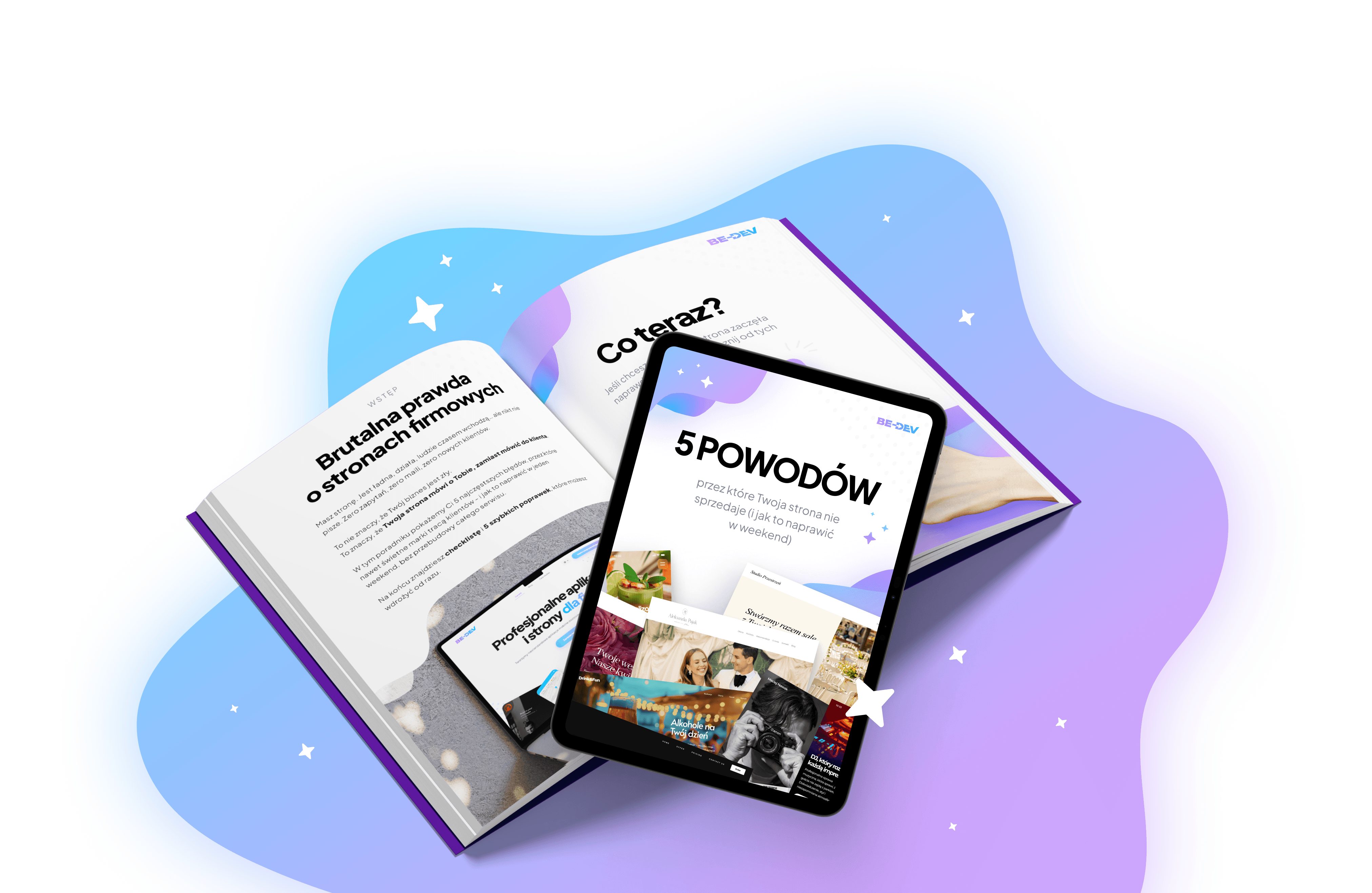
Zostaw swój adres e-mail, a wyślemy Ci darmowy Poradnik: 5 powodów, przez które Twoja strona nie sprzedaje.