From Chatbots to AI Agents: How Apps Are Evolving Beyond Interfaces
Szymon Wnuk
15 kwi 2026

1. What Are AI Agents and How Do They Differ From Chatbots?
AI agents represent a new generation of applications that extend far beyond the capabilities of traditional chatbots. While chatbots are typically designed for scripted, conversational interactions limited to specific tasks, AI agents are autonomous systems that can understand, learn, and make decisions independently. This evolution enables apps to provide more personalized, proactive, and context-aware assistance.
2. The Benefits of Moving Beyond Traditional Interfaces
Shifting from simple chatbots to advanced AI agents brings numerous benefits. These include enhanced user engagement through more natural interactions, improved efficiency by automating complex tasks, and better adaptation to user preferences. AI agents can handle multiple requests simultaneously, analyze data in real-time, and evolve by learning from interactions, making them indispensable in modern digital environments.
3. How to Start Incorporating AI Agents Into Your Apps
Integrating AI agents requires a strategic approach. Begin with identifying key user needs and the tasks you want to automate. Utilize machine learning frameworks and natural language processing tools to create intelligent behaviors. Ensuring seamless backend integration and continuously refining the agents based on user feedback are also critical for successful adoption.
4. Practical Applications of AI Agents in Modern Apps
AI agents are already transforming industries such as customer service, healthcare, finance, and e-commerce. For example, in customer support, AI agents can manage complex queries without human intervention. In healthcare apps, they assist with personalized health monitoring and recommendations. Their ability to anticipate needs and act autonomously defines their practical value across diverse applications.
5. Common Challenges When Moving From Chatbots to AI Agents
The transition to AI agents is not without challenges. These include ensuring data privacy and security, maintaining transparency in AI decision-making, managing ethical concerns, and handling technical complexities like training models and avoiding bias. Overcoming these hurdles requires careful planning, ongoing monitoring, and adherence to best practices.
6. Best Practices for Developing Effective AI Agents
Successful AI agents are built with user-centric design, robust data governance, and continuous learning loops. Incorporate explainability features so users understand AI decisions, and ensure agents are adaptable to changing environments. Regular testing and updates, combined with clear communication about AI capabilities and limitations, enhance trust and effectiveness.
7. Conclusion: The Future of Apps Powered by AI Agents
The journey from chatbots to AI agents marks a significant evolution in app development. By moving beyond simple interfaces, AI agents enable more intelligent, responsive, and autonomous applications. As technology advances, these agents will redefine user interactions, making apps more intuitive and efficient, ultimately transforming the digital landscape.
FAQ
What is the main difference between chatbots and AI agents?
Chatbots typically follow scripted responses, whereas AI agents can learn, adapt, and make autonomous decisions.
How can AI agents improve user experience?
AI agents offer personalized, proactive, and context-aware assistance, leading to more natural and effective interactions.
You might also like
DeepSeek – Chińska alternatywa dla ChatGPT
DeepSeek to chińska platforma sztucznej inteligencji, która szybko stała się realną alternatywą dla ChatGPT. Dzięki zaawansowanej architekturze opartej na modelu Mixture-of-Experts (MoE) oraz efektywności kosztowej, DeepSeek przyciągnęła uwagę zarówno użytkowników, jak i inwestorów technologicznych na całym świecie.
Top 10 Android Apps You Need in 2025 (That Aren’t ChatGPT)
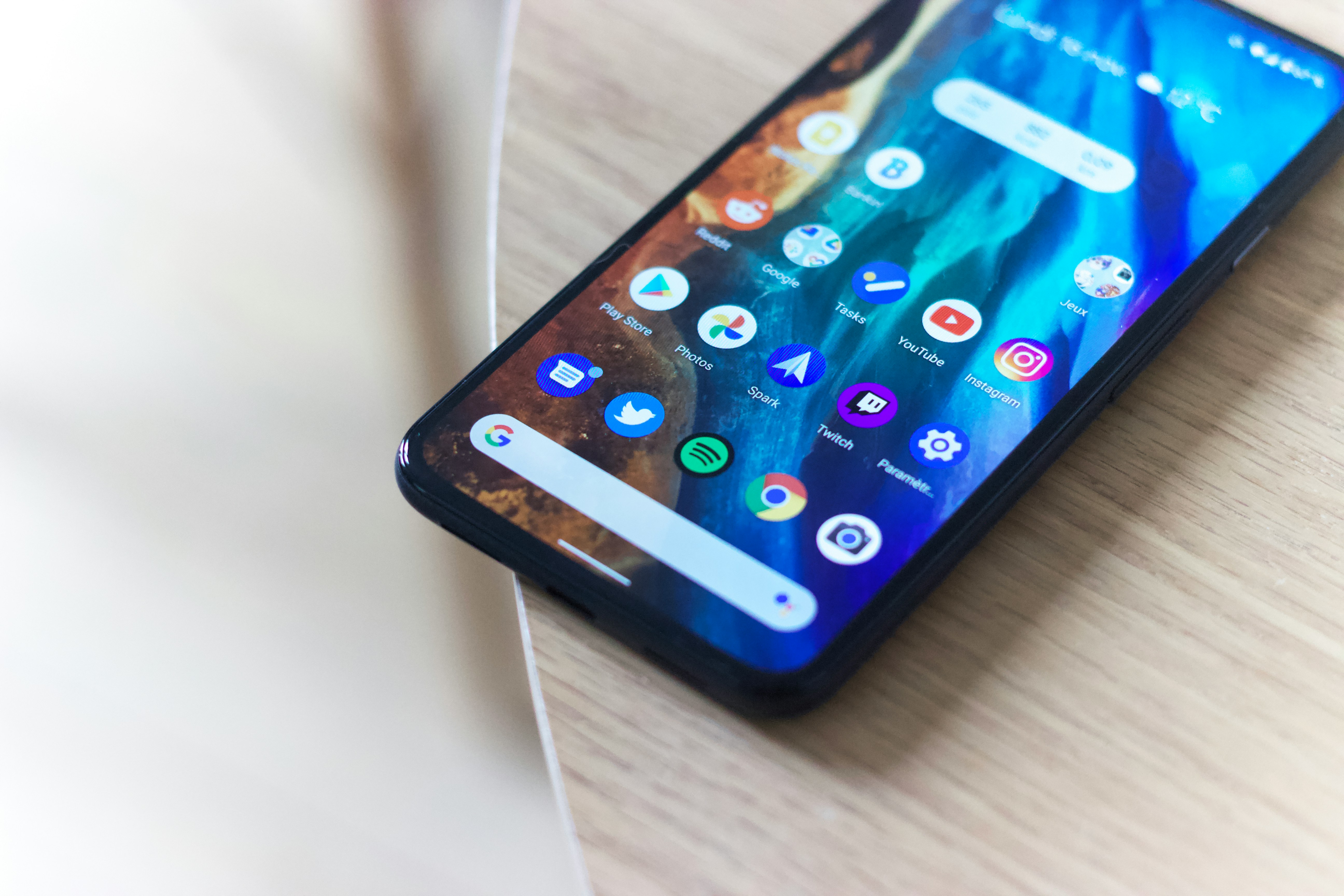
ChatGPT is amazing - but it's not the only game-changer on Android in 2025. Whether you’re a productivity nerd, digital nomad, creator, or just love smart tools, we’ve curated the 10 must-have Android apps this year. Hidden gems, rising stars, AI-powered assistants - and no, it’s not just another list of the same old apps. Ready to upgrade your phone?
AI w marketingu: Jak wykorzystać uczenie maszynowe do lepszego targetowania i konwersji
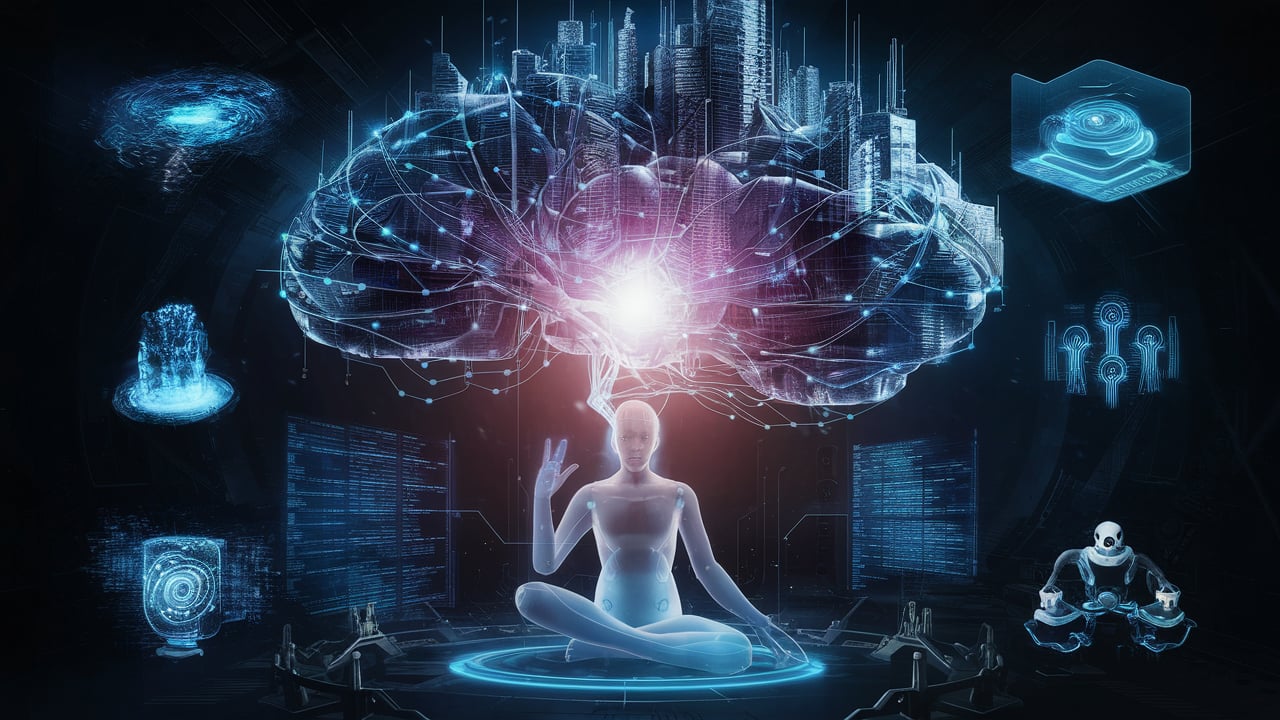
Sztuczna inteligencja przekształca sposób, w jaki marki łączą się z użytkownikami. Od hiperpersonalizowanej treści po analitykę predykcyjną, uczenie maszynowe umożliwia strategie marketingowe, które są bardziej precyzyjne, adaptacyjne i efektywne. W tym artykule badamy, jak wykorzystać sztuczną inteligencję w marketingu, aby poprawić zaangażowanie użytkowników, zwiększyć konwersje i zbudować mądrzejsze, bardziej osobiste doświadczenia aplikacji.

Zostaw swój adres e-mail, a wyślemy Ci darmowy Poradnik: 5 powodów, przez które Twoja strona nie sprzedaje.