Building Employee Tools: The Rise of Internal Mobile Apps Transforming Companies
Szymon Wnuk
19 lis 2025
1. What is it?
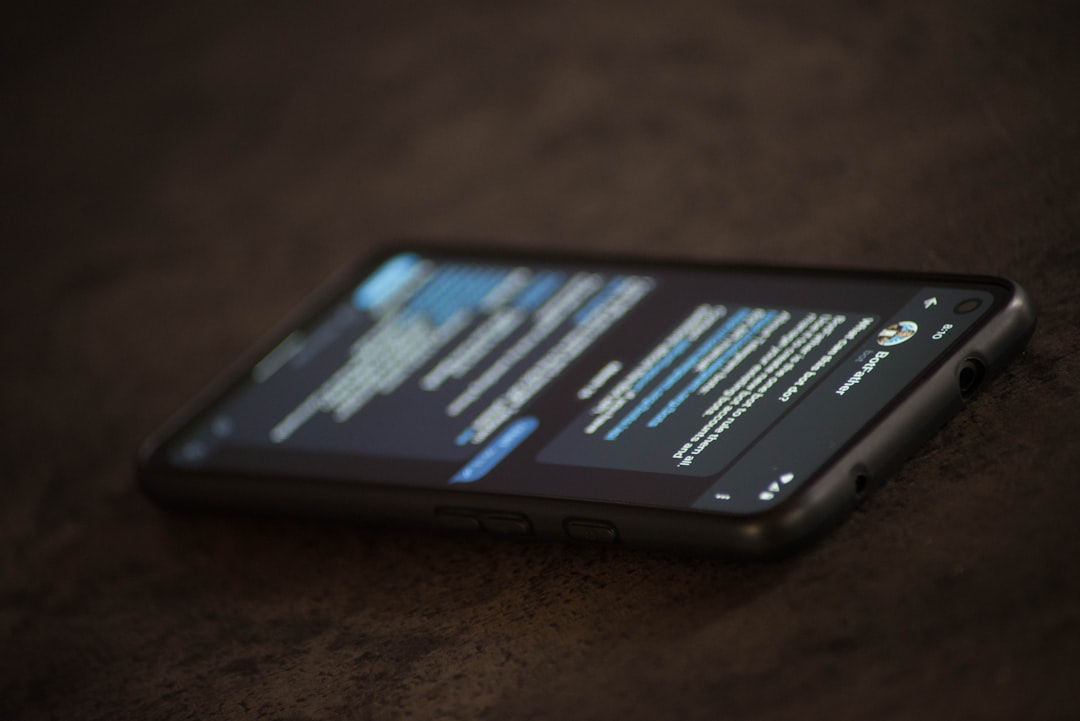
Internal mobile apps are custom-built applications designed specifically for a company's employees. These apps serve as employee tools, providing streamlined access to resources, communication channels, workflows, and data necessary for daily operations. Unlike consumer-facing apps, internal mobile apps focus solely on organizational needs, enhancing workforce efficiency and connectivity.
2. Key benefits
Building internal mobile apps offers numerous advantages. They increase productivity by simplifying task management and information sharing. Enhanced communication reduces delays and miscommunication. These apps promote employee engagement and satisfaction by providing intuitive tools tailored to their needs. Additionally, they allow companies to maintain data security by keeping sensitive information within their own infrastructure.
3. How to get started
Begin by identifying the key pain points and needs of your employees. Engage stakeholders across departments to gather requirements. Decide whether to build a custom app in-house, outsource development, or leverage low-code platforms. Prioritize user experience and integrate existing systems for seamless workflows. Pilot the app with a small group, gather feedback, and iterate before full deployment.
4. Practical applications
Internal mobile apps can support a wide range of functions such as time tracking, leave requests, internal communications, training modules, and project management. They can also provide access to company news, benefits information, and real-time alerts. Retailers may use apps for inventory management and shift scheduling, while field teams can utilize GPS tracking and customer data access on the go.
5. Common challenges
Challenges include securing sensitive corporate data and ensuring compliance with privacy policies. User adoption can be slow if the app doesn’t meet real employee needs or is difficult to use. Integration with legacy systems can pose technical hurdles. Ongoing maintenance and updates require dedicated resources. Additionally, balancing feature-richness with simplicity is critical to avoid overwhelming users.
6. Best practices
Focus on user-centric design with intuitive navigation and clear value propositions. Prioritize mobile responsiveness and offline capabilities. Incorporate feedback loops to continuously improve. Ensure robust security measures such as encryption and multi-factor authentication. Provide thorough training and support to encourage adoption. Finally, align the app’s purpose with broader company goals to maximize impact.
7. Conclusion
The rise of internal mobile apps marks a significant shift in how companies empower and engage their workforce. By building customized employee tools, organizations can improve communication, productivity, and satisfaction. Although there are challenges to overcome, following best practices and focusing on real user needs will ensure these apps become indispensable assets in modern business operations.
Najczęściej zadawane pytania (FAQ)
What are internal mobile apps?
They are company-specific apps designed to support employees with daily tasks and communication.
How do internal mobile apps benefit companies?
They enhance productivity, improve communication, increase employee engagement, and protect sensitive data.
You might also like
Mobile App Costs Explained: What Influences Your 2025 Budget for Success
Understanding mobile app costs is crucial for planning your 2025 budget. This article breaks down key factors influencing expenses, helping you create a realistic investment plan for your next app project.
Mobile App Launch Checklist - Technical, UX & Marketing Essentials Before Publishing
Launching a mobile app? Don’t hit "Publish" just yet. Whether you're releasing on iOS, Android, or both, skipping key steps can cost you downloads, reviews - or worse, a failed launch. This checklist covers everything you need to verify before going live: technical setup, UX polish, and marketing readiness.

Mobile-First czy AI-First? Co będzie ważniejsze w 2025 roku?
Gdy wkraczamy w 2025 rok, strategia produktu stoi na rozdrożu: czy powinniśmy projektować z myślą o pierwszeństwie urządzeń mobilnych, czy przyjąć podejście oparte na sztucznej inteligencji? Artykuł ten bada zmianę priorytetów, jak każda strategia kształtuje doświadczenia użytkownika oraz w jaki sposób kierunek ten oferuje większą wartość w ewoluującym krajobrazie technologicznym.

Zostaw swój adres e-mail, a wyślemy Ci darmowy Poradnik: 5 powodów, przez które Twoja strona nie sprzedaje.