
AI in Mobile Security: Detecting Threats Before They Happen for Enhanced Protection
Szymon Wnuk
17 maj 2026
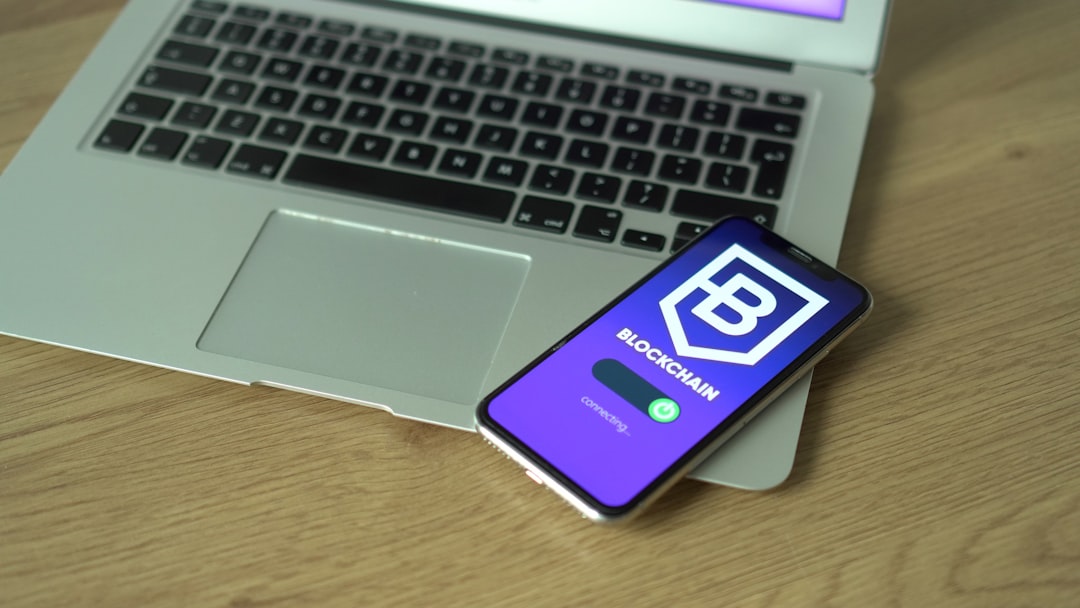
1. What is AI in Mobile Security?
Artificial Intelligence (AI) in mobile security refers to the use of advanced machine learning algorithms and data analytics to detect, predict, and prevent cyber threats targeting mobile devices. By analyzing vast amounts of behavioral data, AI systems can identify unusual patterns or malicious activities that traditional security methods might miss, offering a proactive layer of defense.
2. Benefits of AI-Powered Mobile Security
AI enhances mobile security by providing real-time threat detection, reducing false positives, and enabling faster response times. It adapts to emerging threats without requiring constant human intervention. This dynamic approach ensures protection against evolving malware, phishing attacks, and unauthorized access attempts, making mobile devices safer than ever before.
3. How to Get Started with AI in Mobile Security
To implement AI-driven mobile security, organizations should start by integrating AI-enabled security solutions with existing mobile management systems. Selecting platforms that leverage machine learning models trained on extensive threat data is crucial. Regularly updating these systems and monitoring their alerts can significantly improve the overall security posture of mobile environments.
4. Practical Applications of AI in Mobile Security
AI is used in various mobile security applications, including behavioral biometrics for user authentication, anomaly detection to identify suspicious activities, and predictive analytics to foresee future attack vectors. Additionally, AI helps in automating incident response and malware analysis, reducing the time and effort needed to mitigate risks.
5. Common Challenges in AI Mobile Security
Despite its advantages, AI in mobile security faces challenges such as data privacy concerns, model bias, and the risk of adversarial attacks aimed at deceiving AI systems. Ensuring data quality and transparency in AI decision-making processes is essential to maintain user trust and system effectiveness.
6. Best Practices for Implementing AI in Mobile Security
Adopt a layered security approach combining AI with traditional methods, continuously train AI models with diverse and updated datasets, and maintain robust data governance policies. Regularly auditing AI systems and preparing for AI-specific threats will further strengthen mobile defense strategies.
7. Conclusion: The Future of Mobile Security with AI
AI is transforming mobile security by enabling threat detection before attacks occur, improving protection, and reducing response times. Embracing AI-powered solutions ensures mobile devices remain secure in an increasingly complex threat landscape, empowering users and organizations to stay ahead of cybercriminals.
FAQ
How does AI detect threats on mobile devices?
AI analyzes behavioral patterns and anomalies in real-time to identify potential threats before they cause harm.
Is AI in mobile security safe for user privacy?
Yes, when implemented with strong data governance and privacy measures, AI can secure devices without compromising user data.
You might also like
Mobile App Security in 2026: What Companies Must Know to Stay Protected
As mobile technology advances, companies face new challenges in securing their apps. Discover the essential trends and best practices in mobile app security for 2026 to protect your business and users effectively.
DevSecOps w Aplikacjach Mobilnych – Jak Zapewnić Bezpieczeństwo od Pierwszej Linii Kodu
W szybko zmieniającym się świecie rozwoju aplikacji mobilnych bezpieczeństwo nie jest już czymś, co można później dodać. W obliczu rosnących zagrożeń i surowszych regulacji dotyczących danych, integracja DevSecOps w potoku rozwoju aplikacji mobilnych jest koniecznością. W tym artykule wyjaśniamy, jak praktyki mobilne DevSecOps pomagają budować bezpieczne aplikacje od podstaw oraz dlaczego wczesne bezpieczeństwo się opłaca.

DevSecOps w mobilnych: Jak zapewnić bezpieczeństwo aplikacji przez projektowanie
W dzisiejszym szybko rozwijającym się krajobrazie mobile development, bezpieczeństwo nie może być myślane jako coś drugorzędnego. W miarę jak zagrożenia stają się coraz bardziej zaawansowane, a użytkownicy oczekują niepodważalnej ochrony danych, integracja bezpieczeństwa bezpośrednio w procesie rozwoju jest już nie opcjonalna — jest niezbędna. Właśnie tutaj wkracza DevSecOps w mobile.

Zostaw swój adres e-mail, a wyślemy Ci darmowy Poradnik: 5 powodów, przez które Twoja strona nie sprzedaje.